

Kids’ shoes are cute, almost distractingly so. Tiny sneakers, mini boots, bright sandals that look like they belong in a toy store. But here’s the part most of us don’t notice at first: a lot of them are simply adult shoes made smaller.
Narrow fronts, tapered tips, and shapes designed for style more than structure.
The issue? A child’s foot isn’t just a small adult foot. It’s softer, more flexible, and still forming. In the early years, especially, much of the foot is cartilage. That means it can adapt easily, and not always in the way we’d hope.
When toes are constantly squeezed inward, the foot slowly adjusts to that shape.
That’s one reason more parents are now choosing wide toe box shoes for kids. It isn’t about trends. It’s about respecting how growing feet are meant to function.
The Real Shape of a Child’s Foot
If you’ve watched your child stand barefoot on the floor, you’ve probably noticed something: their toes spread out.
Children’s feet are naturally wider at the front. Almost like a fan. That shape helps them balance, grip, and stabilize as they walk, run, or wobble their way through early steps.
During the first several years, bones are still forming, and soft tissue is highly adaptable. Shoes that allow natural movement support normal development. Shoes that narrow at the front gradually compress the toes inward.
Over time, that compression can influence alignment.
That’s why children’s shoes for wide feet make sense for most kids, not just those labeled “wide-footed.” The natural forefoot is already wider than many traditional shoe shapes allow.
When the shoe mirrors the foot’s natural outline, movement feels more stable and effortless.
What is the toe box?
You’ll hear this term often while shopping.
So what is the toe box?
It’s the front portion of the shoe, the space where the toes sit.
In many standard designs, that area narrows as it moves forward. A wide toe box maintains the natural width of the forefoot rather than forcing it into a tapered shape.
That extra space allows toes to rest flat and move freely.
It’s one of the main reasons kids' shoes with wide toe box feel noticeably more comfortable from the first wear.
What Exactly Is a Wide Toe Box?
A wide toe box isn’t about making the shoe oversized. It’s about shaping it correctly.
When children walk, their toes play an active role in balance. Spread toes create a wider base of support. That helps with stability.
When the front of the shoe allows that natural spread, you often see:
- steadier movement
- fewer random stumbles
- more confidence during play
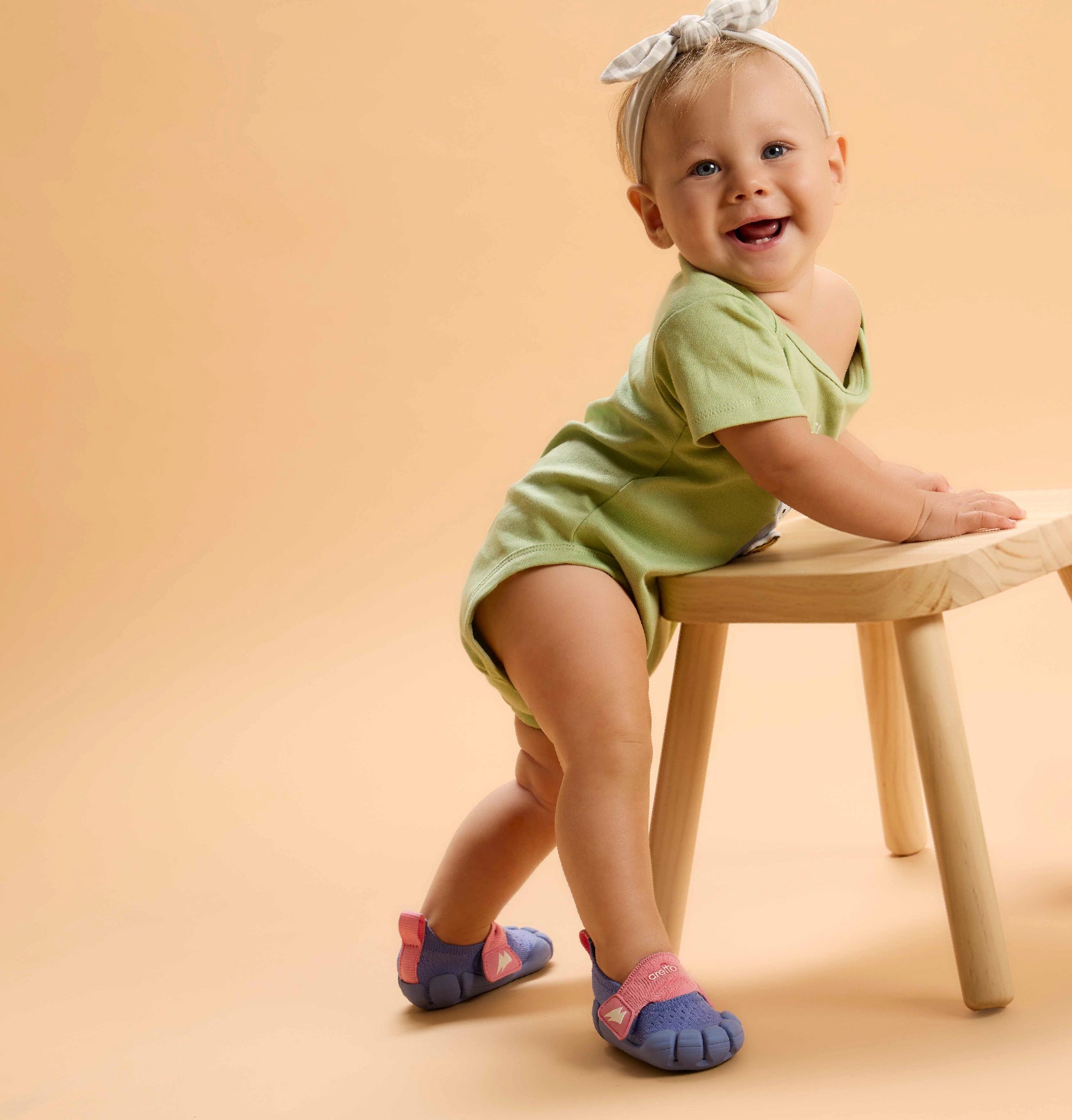
For toddlers learning to stand or take independent steps, that front space becomes especially important.
A wide toe shoe also allows the small muscles within the foot to work naturally. Over time, this supports arch development and better overall foot strength.
It’s not dramatic. But it is foundational.
Science-Backed Benefits of a Wide-Toe Box
Natural Toe Splay also means better Balance & Stability
Toes contribute more to balance than many parents realize.
When they’re free to spread:
-
coordination improves
-
balance feels steadier
-
motor skills develop more smoothly
-
children explore more confidently
If the toe box is tight, the foot compensates, sometimes subtly altering movement patterns.
Healthy Arch Development
The arch forms gradually through muscle activation and natural movement.
When toes have enough room, they engage slightly with the ground during walking and running. That mild engagement activates the intrinsic muscles that help support arch development.
A cramped front limits this natural function.
Prevents Early Foot Deformities
Consistently narrow footwear has been linked to several early foot concerns:
-
bunions
-
hammertoes
-
overlapping toes
-
ingrown nails
-
aggravated flat-foot symptoms
While no shoe guarantees prevention, reducing pressure at the forefoot lowers mechanical stress on developing bones. Space matters.
Supports Natural Posture & Gait
Foot alignment influences more than just the foot.
It affects ankle positioning, knee tracking, hip mechanics, and overall posture. If toes are pushed inward over time, subtle gait adjustments can follow.
A wide toe box supports a stable front foundation, encouraging more natural walking patterns.
Comfort = Better Mobility
Children move constantly. They run, squat, climb, and jump.
If shoes feel restrictive, they either complain or they adapt silently.
Comfort encourages freedom of movement. When there’s no pinching at the front, kids tend to stay active longer. And activity supports muscle strength, coordination, and overall development.
Comfort isn’t a luxury detail. It directly impacts mobility.
The Hidden Risks of Narrow Toe Boxes
Tight toe boxes don’t always cause immediate pain. Sometimes the signs show gradually.
You may notice:
-
redness near the toes
-
toes pressing tightly together
-
sides of the shoes are wearing out quickly
-
toe curling inside for extra room
-
frequent stumbling
-
shoes being removed as soon as possible
In many cases, it’s not misbehaviour. It’s uncomfortable.
Signs Your Child Actually Needs a Wider Toe Box
Watch for these small indicators:
-
complaints about toe pain
-
visible pressure marks
-
overlapping toes
-
repeated tripping
-
redness after shoe removal
-
faster wear along the outer edges
-
visible relief when barefoot
These signs often suggest limited space in the toe area.
Wide-Toe Box + Flexible Sole = The Perfect Combo
A wide toe box alone doesn’t solve everything.
If the sole is stiff or heavy, natural movement remains restricted. Children benefit most when both elements work together:
-
a wide toe box for natural toe splay
-
a flexible sole that bends with the foot
Flexibility allows movement. Width allows alignment.
Together, they create a design that supports growing feet without restricting them.
Comparison Table: Wide-Toe Box vs Traditional Shoes
|
Feature / Benefit |
Wide-Toe Box Shoes |
Traditional / Narrow Toe Box Shoes |
Effect on Long-Term Foot Health |
Suitability for Learning to Walk |
|
Toe Space |
Ample toe splay |
Limited & compressed |
Wide-toe boxes reduce risks of bunions, hammertoes & overlapping toes |
Highly suitable - toes get full sensory feedback |
|
Foot Shape Compatibility |
Matches natural fan-shaped forefoot |
Tapered, adult-style shape |
Supports natural bone alignment |
Ideal - supports natural balance development |
|
Comfort Level |
High comfort, no pinching |
Medium/low, common pressure points |
Reduces chronic irritation & toe deformities |
Excellent - keeps early walkers confident & active |
|
Impact on Foot Development |
Encourages proper growth of bones & muscles |
Restricts natural development |
Strengthens intrinsic foot muscles & arches |
Great - mimics barefoot mechanics |
|
Balance & Stability |
Better stability due to natural toe spread |
Reduced stability |
Improves motor skills long-term |
Perfect - prevents frequent trips/falls |
|
Posture & Gait Alignment |
Promotes healthy walking patterns |
Can alter natural gait over time |
Prevents misalignment in hips, knees & spine |
Highly suitable - supports healthy gait formation |
|
Risk of Foot Issues |
Very low |
Moderate to high |
Protects against long-term deformities |
Excellent - zero toe jam or pressure |
|
Circulation & Sensory Feedback |
Enhanced circulation + natural toe movement |
Restricted, can cause numbness |
Prevents long-term nerve compression |
Ideal - kids feel the ground better |
|
Activity Performance |
Great for running, jumping & active play |
Limited agility |
Reduces fatigue & overuse strain |
Very suitable - encourages confident exploration |
|
Flexibility of Sole |
Usually flexible & lightweight |
Often stiff & rigid |
Supports healthy joint mobility |
Perfect for early walkers learning balance |
|
Durability of Fit |
Fits longer due to natural shape |
Sides wear out faster |
Reduces abnormal wear patterns |
Excellent - adapts to foot growth patterns |
|
Child’s Willingness to Wear |
Kids choose them voluntarily |
Kids remove them often |
Builds positive foot–shoe relationship |
Ideal - avoids tantrums & discomfort |
|
Overall Parent Value |
High |
Lower |
Supports lifelong healthy foot habits |
Best for babies - toddlers & early walkers |
Shopping Checklist for Parents
Before purchasing, look for:
-
Foot-shaped, wide toe box
-
Lightweight construction
-
Flexible sole
-
Breathable materials
-
Non-slip outsole
-
Safe, toxin-free materials
-
Proper size with slight growth room
-
Soft interior lining
-
Heel that bends naturally
A thoughtful choice early on can prevent long-term discomfort.
Why Are Most Kids’ Shoes Still Narrow?
There are a few practical reasons:
-
Many brands scale down adult designs.
-
Fashion trends often override anatomy.
-
Tapered shapes are easier to manufacture.
-
Awareness around children’s foot anatomy remains limited.
-
Foot-shaped design adoption has been slow.
Children’s feet are naturally wider at the front. Traditional molds haven’t always evolved to match that reality.
Designed Around Growing Feet: The Aretto Approach
Aretto builds shoes with growth and natural movement in mind.
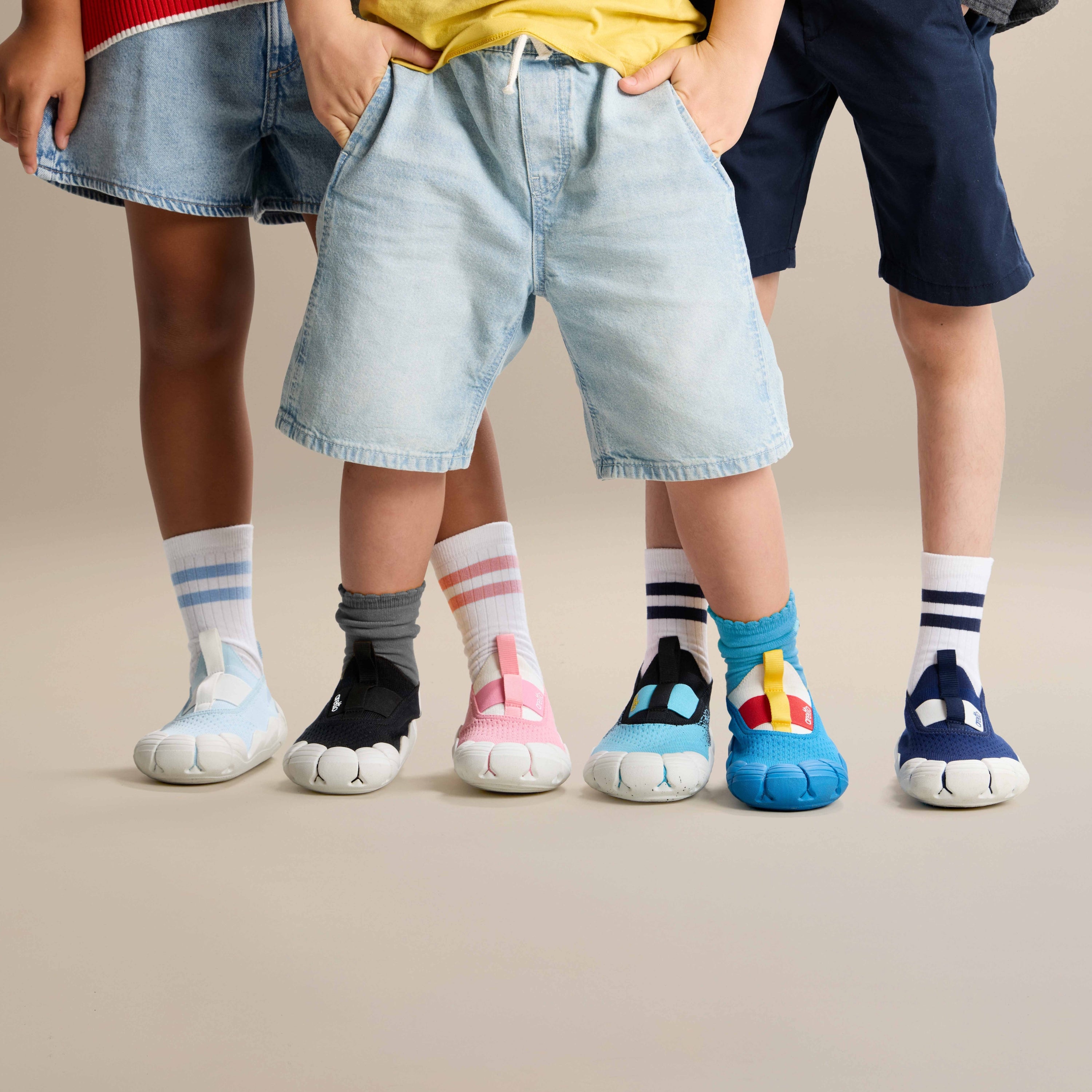
Rather than forcing the foot into a narrow mold, their wide toe box shoes for kids follow the natural fan-shaped structure of the forefoot. That allows children to move, balance, and play more comfortably.
Key features include:
-
a spacious, foot-shaped toe box
-
lightweight, flexible soles
-
breathable, skin-safe materials
-
SuperGrooves technology that adapts as feet grow
-
posture-conscious design
-
suitable support for early walkers and active school-age children
Children’s feet are still developing, still soft, still adapting.
A wide-toe box shoes for kids provides the space they need to strengthen naturally, support arch development, and maintain proper alignment.
Choosing the right footwear isn’t just about present comfort. It shapes long-term movement habits.
Aretto helps prevent common foot issues before they ever begin.
Ready to choose what’s healthiest for your child’s feet? Explore Aretto kids shoes with wide toe box and give them the freedom and confidence they deserve.
FAQs - Wide Toe Box Shoes for Kids
Q. Do wide shoes give more room in the toe box?
Yes, they provide additional space at the front of the foot. That room allows toes to sit naturally, rather than being pressed together.
Q. Are wide toe box shoes better for flat feet?
They can be helpful because they allow the toes to engage during movement. When toes function properly, they assist with natural arch support.
Q. What kind of shoes are best for kids’ feet?
Lightweight, flexible, and breathable shoes tend to work well. A foot-shaped design with a wide toe box supports healthy development.
Q. What is the purpose of a toe box?
The toe box protects the toes while giving them space to move. That movement supports balance, walking patterns, and growth.
Q. Can wide toe box shoes prevent foot pain?
By reducing pressure and crowding at the front, they lower the risk of discomfort. Proper alignment also helps minimize early foot strain.

