



You don’t think about feet at first, you really don’t. When your baby is born, everything feels tiny. Their hands, toes, and socks barely stay on their tiny feet. Shoes feel like something you'll need to worry about later. But here’s the thing, baby feet grow fast, faster than we expect.
Learning how to measure baby feet early isn’t about shoes alone. It’s about comfort and balance. Letting those little toes spread the way nature intended. In the first year, growth happens in spurts. Quiet ones, sudden ones, and if you’re not measuring baby shoe size regularly, it’s easy to miss them.
A shoe that fit last month may already feel tight. And babies can’t tell us. They just curl their toes or fuss. Or refuse to crawl. That’s why knowing how to measure an infant’s shoe size from the beginning matters more than most parents realize.
Why Proper Measurement Matters When You Measure Baby Foot?
Baby feet aren’t just smaller versions of adult feet. They’re softer, mostly cartilage, and still forming. Which means pressure matters. Rapid growth spurts happen every few weeks. Especially in the first year. A newborn foot size today won’t be the same in a month.
When you measure your baby's foot correctly, you allow for natural movement. Toes spreading. Feet flexing. Crawling turning into standing. Correctly measuring baby shoe size also protects healthy development. Tight shoes restrict growth. Loose shoes cause instability. Neither is ideal. And discomfort? Babies show it quietly, red marks, and constant shoe removal. Or sudden resistance to movement. Measuring properly helps you avoid all of that.
When to Measure Baby Foot: Newborn to 12 Months
Newborn to 3 Months: Understanding Newborn Foot Size
Newborn foot size varies a lot. More than most parents expect. Some babies are born with longer feet, some with wider feet.
At this stage, shoes are mostly soft or socks with grip. One baseline measurement is usually enough. You’re measuring baby feet to understand shape, not for walking yet.
Still, measure once and write it down.
3 to 6 Months: Measuring Baby Shoe Size as Feet Change
Now, the feet begin to lengthen and widen quietly.
This is when measuring a baby's shoe size every 6-8 weeks helps. Babies kick more. Push against surfaces. Shoes need to allow that movement.
Knowing how to measure baby shoe size during this phase saves you from guessing.
6 to 9 Months: How to Measure Baby Shoe Size for Crawlers
Movement increases, such as crawling, pulling up, and standing with support. Feet now carry weight, even briefly. Measurement becomes more important. Measure every 4-6 weeks. At this stage, learning how to measure an infant’s shoe size correctly can prevent pressure on growing toes.
9 to 12 Months: Measuring Baby Shoe Size for First Steps
This phase changes everything. Standing becomes confident. First steps happen, sometimes suddenly, feet grow faster now. Monthly measurement is recommended. It supports balance and confidence.
Support Every First Step
Your baby learns through every tiny movement. Choose footwear that feels natural, supports balance, and encourages cognitive growth and development from day one.
Step-by-Step Guide on How to Measure Baby Shoe Size
There’s no single “right” way. Just accurate ones.
Method 1: Paper-and-Ruler Method
- Place a sheet of paper on the floor, flat and against a wall.
- Gently place your baby’s heel against the wall.
- Hold the foot straight. Don’t push, let it rest naturally.
- Mark the longest toe and measure in centimetres.
- Always centimetres. They’re more reliable than inches or age labels.
Method 2: Tracing Technique for Baby Shoe Size Measurement
Best done when the baby is calm. Or asleep.
-
Trace both feet, slowly, and without pressing.
-
Measure length and width.
Always use the larger foot for sizing. Almost every baby has one foot slightly bigger. This method helps when learning how to measure baby shoe size at home.
Method 3: Using a Foot Measuring Device
- These are accurate and simple. Useful if you buy shoes often. They measure length and width together.
- Ideal for parents who want consistency when they measure their baby’s foot regularly.
Decoding the Numbers After Measuring Baby Shoe Size
So now you have numbers. In centimetres. What next?
First, ignore age labels. Babies don’t grow on schedules. Foot measurements convert to shoe sizes, but brands vary. That’s why baby shoe size measurement matters more than the number printed inside the shoe. Always measure both feet. Then comes the growth allowance. Add about 0.8 to 1 cm. This supports natural movement, toe wiggle and balance. But don’t overdo it. Oversized shoes cause slipping.
Measuring a baby's feet accurately means balance. Not guessing bigger is better.
Baby Shoe Size Chart (After You Measure Baby Foot)
|
Baby Age (Approx.) |
Foot Length (cm) |
Recommended Shoe Size |
Measurement Tip |
|
Newborn - 3 Months |
8.5 - 9.5 cm |
Size 1 |
Soft soles only |
|
3 - 6 Months |
9.5 - 10.5 cm |
Size 2 |
Allow toe wiggle |
|
6 - 9 Months |
10.5 - 11.5 cm |
Size 3 |
Check width too |
|
9 - 12 Months |
11.5 - 12.5 cm |
Size 4 |
Re-measure monthly |
Please refer to the Aretto's infant shoe size guide to measure baby foot size.
Understanding Width & Fit
Length isn’t everything. Some babies have narrow feet, some wide. Some chubbiness across the toes. Width matters just as much when measuring baby shoe size.
Shoes that are too narrow leave red marks. Shoes that are too wide cause sliding. Signs of poor fit include toes pressing forward. Shoes slipping off, or your baby refusing to move. Measure your baby’s foot width whenever possible. It makes a difference.
Common Mistakes Parents Make
- Buying bigger shoes “to last longer.”
- Measuring with socks on.
- Measuring only one foot.
- Ignoring width.
- Trusting age-based shoe sizes blindly.
- All common and avoidable. Learning how to measure baby shoe size properly helps you avoid these traps.
Signs Your Baby’s Shoes Don’t Fit Properly
-
Red marks on the foot.
-
Toes curling or pressing forward.
-
Refusal to crawl or stand.
-
Constant shoe removal.
These are your clues. Babies communicate through behaviour, not words.
Measuring Baby Shoe Size Often Feels Confusing
Newborn foot size is unpredictable. Growth isn’t linear. Shoe charts confuse more than they help. Shoes may say “correct size” but still restrict movement, or feel stiff.
Parents end up guessing. Or buying bigger.
Where Thoughtful Design Makes a Difference
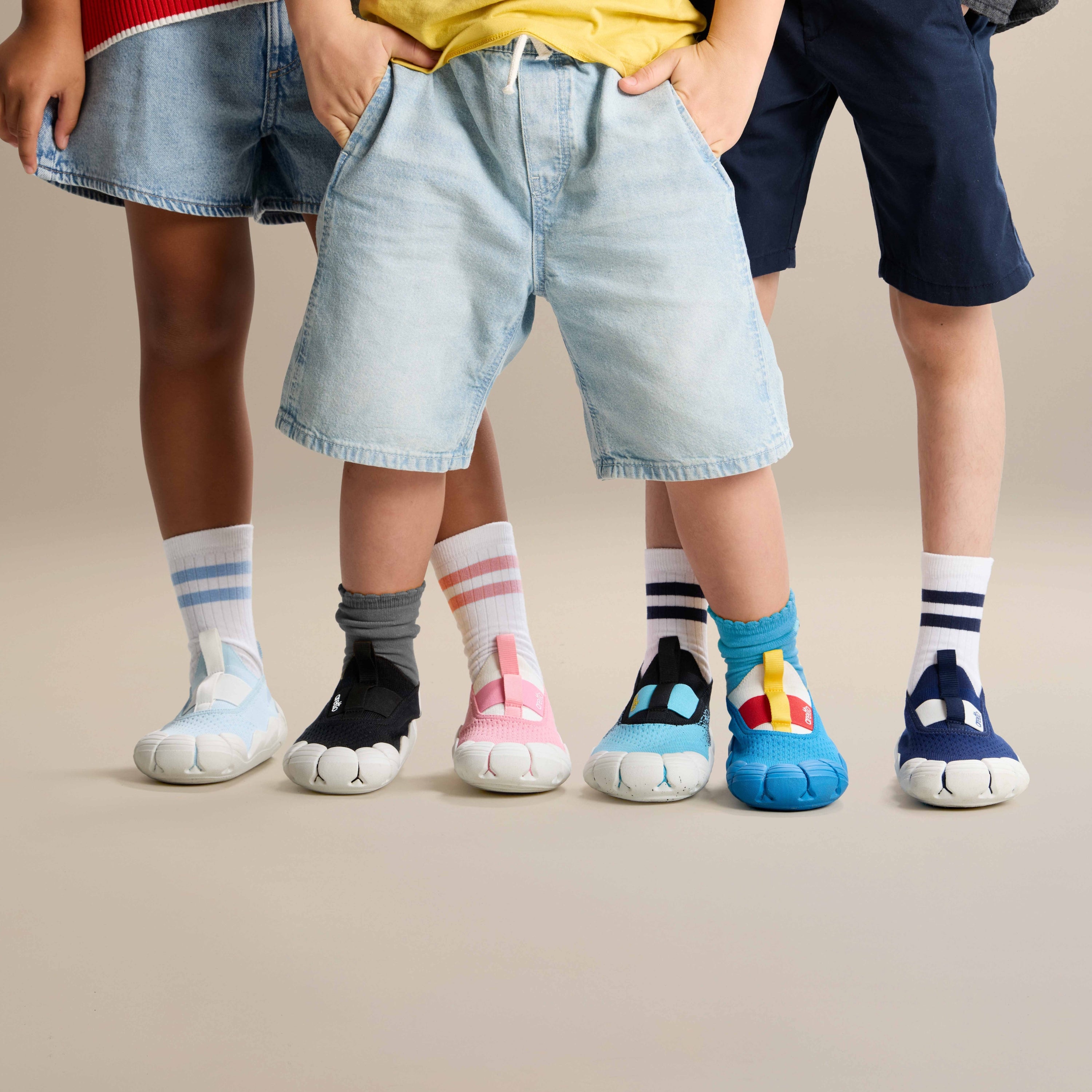
Aretto designs shoes with real measurements in mind. Shoes that support accurate measuring baby shoe size. Flexible soles, natural movement, proper growth allowance without excess bulk. Clear size guidance that simplifies how to measure an infant’s shoe size correctly. Less confusion and more confidence.
Measure Baby Foot Regularly for Healthy Growth
Measuring baby shoe size isn’t a one-time task. It’s an ongoing part of caring for your child’s growing body. Baby feet change quietly and quickly, often before parents even realise it. By regularly measuring your baby’s feet, you can prevent discomfort before it becomes fussiness or uneven walking.
When shoes fit right, babies move freely. Their toes naturally spread like a fan to help them balance, and their balance improves as each step builds confidence. That’s what healthy growth really looks like: unrestricted movement, comfort, and support at every step.
At Aretto, we design shoes with growing feet in mind, flexible soles, lightweight structure, and room for natural development. When you pair regular foot measurement with thoughtfully designed footwear, you give your baby the best possible start. To avoid discomfort and support better balance, discover the right fit with Aretto.


