



Your baby’s first steps are never perfectly balanced. They’re wobbly, uncertain, and absolutely unforgettable. As your baby begins to explore the world and take two determined steps across the floor, pause like they’re thinking about it, and then suddenly sit down like the whole walking idea felt a bit too ambitious.
It happens.
One day, they’re holding the edge of the sofa and slowly shuffling sideways. The next day, they’re letting go for a second and trying to walk toward you. Arms stretched out. Knees bent slightly. There is a very serious expression on their face. Like they’re concentrating on something extremely important. And somewhere during all of this, the question quietly shows up in your mind.
Do they need their first shoes yet?
Many parents start wondering about it around this stage. You see tiny sneakers online. Soft baby shoes in stores. Little sandals that look unbelievably cute. It’s honestly hard not to look.
But the best shoes for babies learning to walk aren't simply miniature versions of adult shoes. Baby feet are still developing in ways most people don’t realize at first. The bones are softer. Muscles are slowly figuring out balance. Even the arch of the foot hasn’t fully formed yet. So when shoes feel stiff or heavy, they can actually make those early walking attempts a bit harder.
It sounds shocking at first. But babies don’t really need shoes right away. What they really need is freedom. Space to move their feet naturally. While they’re learning how walking works. Good baby first shoes should support movement quietly. Don't control it.
Because those early steps? The wobbly ones. The slow ones. Those that end in a little plop on the floor. They are doing something important. They’re teaching their body how balance works.
And that learning process takes time.
When Do Babies Really Need Baby First Shoes?
Many parents assume babies should start wearing shoes the moment they stand. It feels logical. Tiny feet touching the floor usually makes people think, alright it’s time for shoes.
But interestingly, babies often learn to walk better without them, especially indoors. Inside the house, barefoot walking gives babies something useful: feedback from the floor. When their feet touch the surface directly, they can feel small differences in texture. A tile feels different from a rug. A wooden floor feels different from a soft mat.
Their toes spread slightly. Their weight shifts from one foot to another. Tiny muscles in the feet start doing their job. All those small adjustments help babies understand how walking actually works. So if your baby is wandering around the living room or bedroom. Barefoot practice is usually perfectly fine. In fact, many pediatric specialists recommend it.
Baby shoes become more useful when babies start exploring outside. And that moment tends to arrive faster than parents expect. Outdoor surfaces are different; pavements can feel rough. The grass is uneven. Playgrounds sometimes have textured flooring.
That’s when baby first shoes begin to make more sense, mostly for protection.
Parents often notice a few signs around this time:
-
Your baby begins taking independent steps without holding furniture.
-
They move toward doors or outdoor spaces with curiosity.
-
Their balance looks slightly steadier than before.
-
Falls still happen, but maybe a little less often.
There’s also a difference between pre-walker shoes and toddler walking shoes.
Pre-walker styles are extremely soft. Almost like thick socks with a little structure. They mainly protect the foot from cold floors or light contact. Once babies begin walking regularly, though. Toddler shoes for walking become more useful. These provide grip and gentle protection for outdoor surfaces, while still allowing natural movement. Sometimes that transition happens surprisingly quickly. One week, your baby is wobbling across the living room carpet. Next week, they want to walk everywhere.
Parents notice that shift right away.
What Makes the Best First Shoes for a Baby?
When parents start looking for baby first shoes, the number of choices can feel… slightly overwhelming.
Tiny sneakers, slip-ons, soft shoes, and cute little sandals.
Some look sporty. Some look fancy. Some honestly look like miniature adult shoes. It’s easy to get distracted by what looks adorable.
But the best first shoes for a baby usually come down to a few practical details. The kind that parents only notice once their baby actually tries walking in them. Flexibility is one of the biggest ones.
Babies learning to walk move their feet differently than adults do. Their steps are shorter. Their balance shifts more. Their toes do a surprising amount of work when they’re trying to stay steady. So shoes that bend easily tend to help more.
If a shoe feels stiff when you try bending it with your hands. It will probably feel restrictive on a baby’s foot. The best shoes for babies learning to walk move with the foot instead of pushing against it.
Toe space matters too. Babies spread their toes slightly when they step. It’s one of the ways they stabilize themselves. Shoes that squeeze the front of the foot can make that movement harder.
Parents sometimes notice babies stumbling more when the shoes are too narrow. Breathable materials also help more than people expect. Babies move constantly once they start walking. Exploring the house. Following parents around. Turning corners, they weren’t interested yesterday.
Their feet warm up quickly. Materials like mesh or knit allow air to circulate, which keeps feet more comfortable during all that movement. Soft inner lining matters for another reason. The baby's skin is sensitive. Rough stitching or seams inside the shoe can sometimes cause irritation, especially during longer outings.
And then there’s fastening; shoes should stay secure, but they shouldn’t feel tight or restrictive. Adjustable straps or flexible openings usually work well because baby feet change shape slightly as they grow. When all of these small things come together, the best shoes for babies learning to walk tend to feel surprisingly light.
Comfortable, flexible, and sometimes babies barely notice they’re wearing them.
Which, for parents, is usually the best sign.
Support Every First Step
Your baby learns through every tiny movement. Choose footwear that feels natural, supports balance, and encourages cognitive growth and development from day one.
How Should Baby First Shoes Fit Properly?
Finding the right fit for baby first shoes takes a little attention. The baby's feet grow quickly. Sometimes faster than parents expect. One simple guideline many people follow is the thumb-width rule.
When your baby is standing inside the shoe, there should be about a thumb’s width of space between the longest toe and the front of the shoe. That small gap allows room for movement. But length isn’t the only thing to check. Width matters too.
Some babies naturally have wider feet, and narrow shoes can feel uncomfortable even if the length seems correct. Parents also notice certain signs when shoes aren’t fitting well.
A baby might pull them off repeatedly. They may hesitate to walk in them. Or they might stumble more often than usual. Checking fit every couple of months usually helps. During the first few years, feet grow quickly, sometimes almost unexpectedly.
Why Flexibility Matters in the Best First Shoes for Baby?
Flexibility might sound like a small detail, but it actually matters a lot. When shoes bend easily, the foot can move naturally. Toes grip the ground slightly. Muscles in the foot start strengthening little by little. But stiff soles can limit that movement.
A rigid shoe makes it harder for babies to feel the ground beneath them. And that can affect balance during those early walking attempts. Many parents try a simple bend test.
Hold the shoe in both hands. Gently bend it near the front. If it folds easily at the toes. It’s usually flexible enough for early walkers. Shoes that resist bending are often better suited for older children who already walk confidently. For babies still figuring out their steps, softer, more flexible options usually work best.
Grip and Safety: Choosing Baby Shoes for Outdoor Walking
Once babies start walking outdoors, grip becomes important. Outdoor surfaces aren’t always predictable. Pavement, grass, tiles, and playground flooring. Every surface has its own feel, and babies notice that more than we do.
When you’re picking out a baby first shoes, go for soles that grip, so those wobbly little feet don’t go slipping everywhere. A little bit of cushioning goes a long way, too. It softens the bumps when they hit uneven ground. Still, balance matters most. The shoes should protect those tiny toes without turning every step into a workout.
If a shoe feels a bit heavy in your hand. Just think how it’ll slow down a baby who’s still learning to walk. Light and simple wins every time. Keep it easy for them, and they’ll have a much smoother start.
Materials to Look For (and Avoid) in the Best First Shoes for Baby
Materials can make a noticeable difference in comfort. Breathable fabrics like knit or mesh allow air to circulate, helping reduce heat buildup. That’s helpful because babies tend to move constantly once they start walking.
Stretchable uppers are useful too. They gently adapt to the shape of the foot instead of forcing it into a rigid structure.
Materials that are overly stiff or heavy can sometimes make early walking more difficult than it needs to be. The best first shoes for a baby usually feel surprisingly light.
Almost like an extension of the foot.
Growth-Friendly Features in Baby First Shoes
Baby feet grow fast. Sometimes parents buy a pair of baby first shoes and a few months later, they suddenly feel tight.
Growth-friendly features help with that. Extra toe space allows natural toe splay. Adjustable closures allow small fit changes as feet grow. Flexible construction adapts slightly to foot shape. Shoes that allow a bit of adjustment often stay comfortable longer.
Which is helpful, because babies rarely slow down once they start walking.
Common Mistakes to Avoid When Buying the Best First Shoes for Baby
Many parents pick out baby shoes that are too big, thinking their little one will grow into them. It makes sense on the surface. Who doesn’t want to get more use out of baby stuff? But honestly, shoes that are too roomy just trip babies up. They can’t get their feet under them, so learning to walk becomes more of a struggle than it needs to be.
Another mistake is choosing style over comfort. Some tiny fashionable shoes look adorable but may not support natural movement. Flexibility also gets overlooked sometimes. If the sole feels stiff, it may not be ideal for early walkers.
And finally, shoes sometimes stay in use longer than they should. Because babies grow quickly, replacing shoes after growth spurts helps maintain proper fit.
Caring for Baby Shoes So They Last
Even small shoes benefit from a little care. Gently cleaning them helps maintain the materials. Most baby shoes can be wiped with a damp cloth rather than soaked in water.
Drying matters too. Leaving shoes near direct heat can damage flexible materials. Air drying usually works better. Letting shoes air out after use also helps prevent moisture buildup and keeps them comfortable for the next outing.
Choosing Baby Shoes That Grow With Them - The Aretto Approach
Some children’s footwear brands are starting to rethink how baby shoes should work. Instead of rigid designs, they focus on flexibility, breathability, and adaptability.
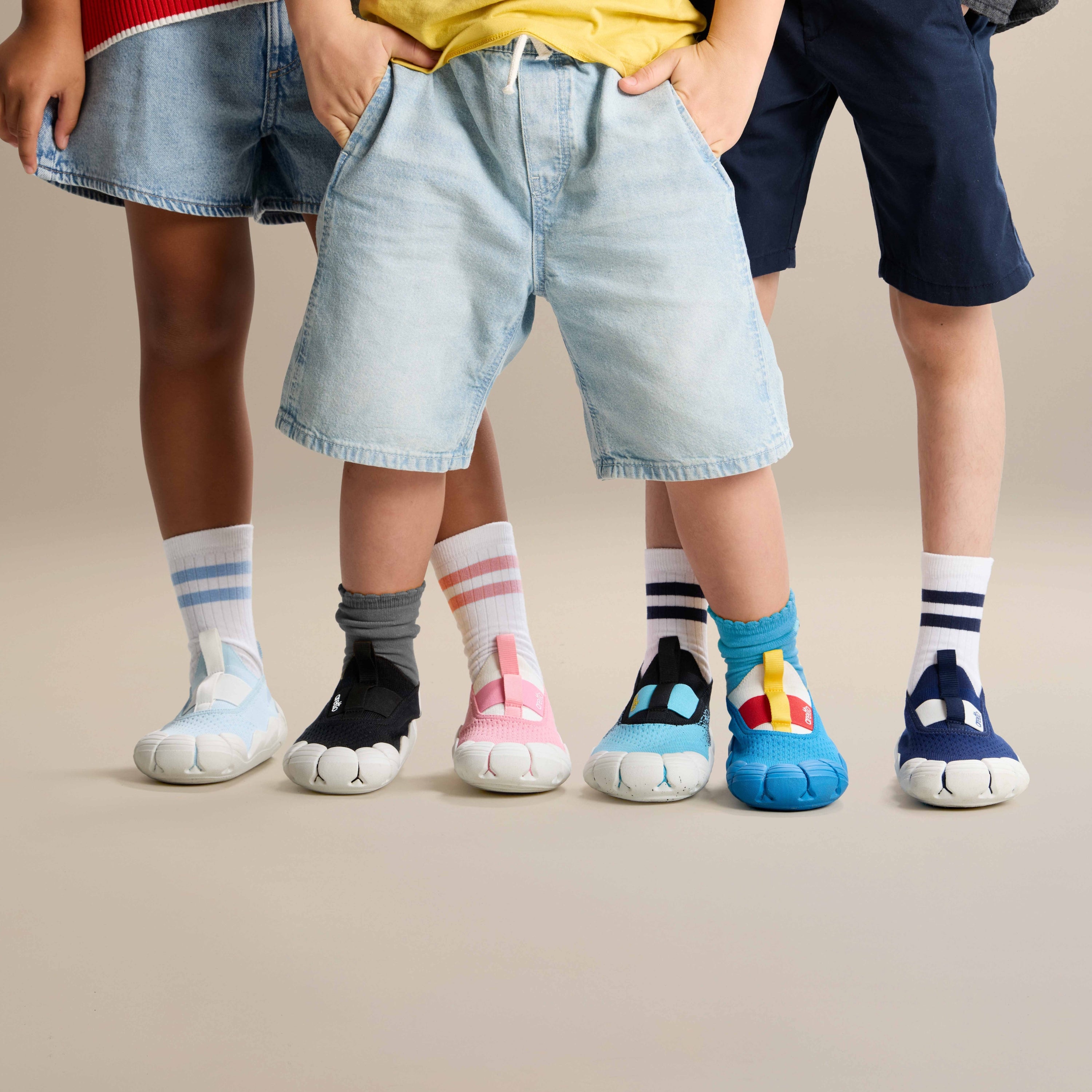
Aretto designs baby first shoes with expanding-fit technology that adjusts gently as children grow. This allows developing feet to move naturally without feeling squeezed. Their lightweight construction helps babies maintain balance while they practice walking.
Babies learning to walk need room to actually move. That sounds obvious, but a lot of early shoes don't account for it, they're stiff, or they're sized too precisely for feet that are going to look completely different in six weeks. Aretto approached it differently. Their first shoes are built with an expanding fit, so there's give as the foot grows without the shoe becoming sloppy or loose. The sole bends where the foot bends. The materials breathe. Nothing about the shoe fights what the foot is trying to do.
Their expanding-fit design adjusts as the foot grows. So instead of buying a pair that fits for six weeks before becoming too tight, there's some built-in flexibility that extends the window. The soles bend where the foot bends. The materials are light enough that babies don't really notice they're wearing them. Nothing about the construction gets in the way of what the foot is already doing.
For a baby, it is still working out the balance. That's not a small thing. Give them heavy and rigid baby’s first shoes while they’re still figuring out how to walk, that just won’t work. A light, flexible one that moves with them is just there. Quietly doing its job.
That's the whole idea. Shoes that support without interfering with any moment. Which flex, breathe, and grow alongside tiny feet. That is changing faster than anyone can quite keep up with.
Give your little explorer the freedom to take their first steps naturally with Aretto's baby first shoes , designed to flex, breathe, and grow with tiny feet.


