



Kids’ feet are like tiny rocket ships, one week shoes fitting beautifully, and the next week, toes are crammed in. If you’ve raised a child (or even just babysat for a weekend), you’ve seen this happen in real time. One day, the shoes were fine. A week later, they’re suddenly “bad shoes” and get kicked off mid-walk. Kids may not explain it well, but their bodies notice before words catch up.
Comfortable footwear doesn’t just prevent sore feet. It quietly supports cognitive growth and development. That sounds dramatic, but it’s actually pretty realistic. When kids feel steady and comfortable. They move more. When they move more, their brains get more information to work with. That loop is especially important during infant cognitive development.
Think about it, a child who feels stable runs, climbs, explores, and invents games out of thin air, and a child who is unsure always hesitates. Shoes don’t create curiosity, but they can for sure block it.
This isn’t a scientific lecture. It’s a look at how everyday footwear choices influence movement, learning, and those small but important cognitive development milestones kids hit without anyone announcing them.
Understanding Infant Cognitive Development
Cognitive development is how kids slowly figure things out. How do they learn to focus? How they remember. How do they solve problems that feel huge to them and very small to us?
It starts early, like really early, from the first stages of newborn cognitive development, the brain is constantly reacting to movement and sensation. Rolling over, kicking legs, pushing feet into the floor. None of it is random.
When a foot touches the ground, the brain gets feedback. Soft, hard, slippery and sometimes uneven. Over time, these tiny signals help children understand balance and coordination.
Shoes that allow this feedback support cognitive growth and development. Shoes that block it don’t ruin learning; they just slow it down a bit. And with kids, little delays add up.
The Foot-Brain Connection
Feet are busy. They’re full of nerve endings sending constant messages to the brain about position and pressure. This feedback helps kids stay upright, focused, and calm.
That’s why barefoot time often feels magical. Kids move differently. More confidently. Less stiff. When shoes are needed, the goal is simple: don’t interrupt the conversation between feet and brain.
How Footwear Influences Cognitive Development Milestones?
Kids don’t learn sitting still. They learn while moving. Falling, getting back up, and trying again. Shoes play a quiet role here.
When footwear fits well. Stay out of the way. Children feel safe exploring. That sense of safety supports balance, coordination, and infant cognitive development in ways worksheets never could.
Proper Fit & Support
A good fit shouldn’t be a battle. Shoes should bend. They should feel light. They shouldn’t squeeze.
When toddlers can feel the ground, their bodies adjust naturally. That physical awareness supports early cognitive development milestones without anyone having to teach a lesson.
Sole Flexibility
Rigid soles force stiff movement. Flexible soles allow natural movement. That difference matters. Flexible movement helps the brain coordinate actions smoothly. Less frustration. More trying.
Weight & Material
Heavy shoes change how kids walk. You’ll notice it immediately. Lightweight, breathable shoes make movement feel easier. Comfortable kids stay engaged longer, which feeds directly into cognitive growth and development.
Barefoot vs. Shoes
Barefoot play gives the most sensory information. Thick soles reduce that input. This doesn’t mean shoes are bad. It just means shoes shouldn’t behave like armour. Kids need protection, not restriction.
Footwear and Sensory Development
Learning isn’t tidy. For babies and toddlers, sensory input first comes through the body. Especially the feet.
Shoes with soft, flexible soles allow children to experience texture and pressure safely. This input matters during newborn cognitive development, when the brain is forming connections at lightning speed.
Good shoes don’t teach skills. They create space for skills to develop.
The Role of Play and Movement
Play looks messy, loud and unstructured, but it’s doing serious work.
Running, climbing, jumping, and even tripping strengthen muscles and improve balance. These movements also support cognitive development by continually presenting the brain with new challenges to solve. Active kids aren’t just stronger. They’re often more focused and adaptable.
Choosing the Right Footwear for Newborn Cognitive Development
If shoes feel stiff or heavy, kids compensate by moving more. And compensation takes energy. To support cognitive development, shoes should feel almost forgettable. Flexible, light, and comfortable enough that kids stop thinking about their feet altogether.
That freedom supports independence, which plays a bigger role in infant cognitive development than most parents realise.
Support Every First Step
Your baby learns through every tiny movement. Choose footwear that feels natural, supports balance, and encourages cognitive growth and development from day one.
Age-Specific Tips
-
Babies (0-12 months)
Shoes aren’t required at this age. Barefoot time supports newborn cognitive development by allowing full sensory feedback. Socks, soft booties or Tyny are enough when it’s cold. Aretto’s Tyny supports barefoot-like comfort all day long.
-
Toddlers (1-3 years)
Balance is still coming together. Lightweight, flexible shoes with good grip let kids move freely and hit those early milestones without getting in the way.
-
School-age Kids (4-12 years)
These kids move constantly. Shoes should handle impact without becoming bulky. Breathable materials and proper support help kids stay comfortable and engaged, supporting continued development.
Design & Materials
- Breathable fabrics help.
- Flexible soles matter.
- Non-slip grips reduce unnecessary falls.
- Lightweight designs prevent tired legs.
- None of this is fancy. All of it helps.
Fit & Sizing
Kids’ feet grow fast. Faster than expected.
Check size every few months. Measure both length and width. Leave space at the toe. Watch how your child walks. Comfort supports these milestones more than perfect sizing charts.
Replacement Timeline
Shoes need replacing when movement changes. Tripping, slipping and complaints after play. These are clues.
Real-Life Activity Ideas for Parents
- Balance beam walks for stability.
- Hopscotch for coordination
- Textured path walks for sensory input
- Daily barefoot time to strengthen the foot–brain connection and support cognitive development.
Why Aretto Is the Best Footwear for Enhancing Cognitive Development?
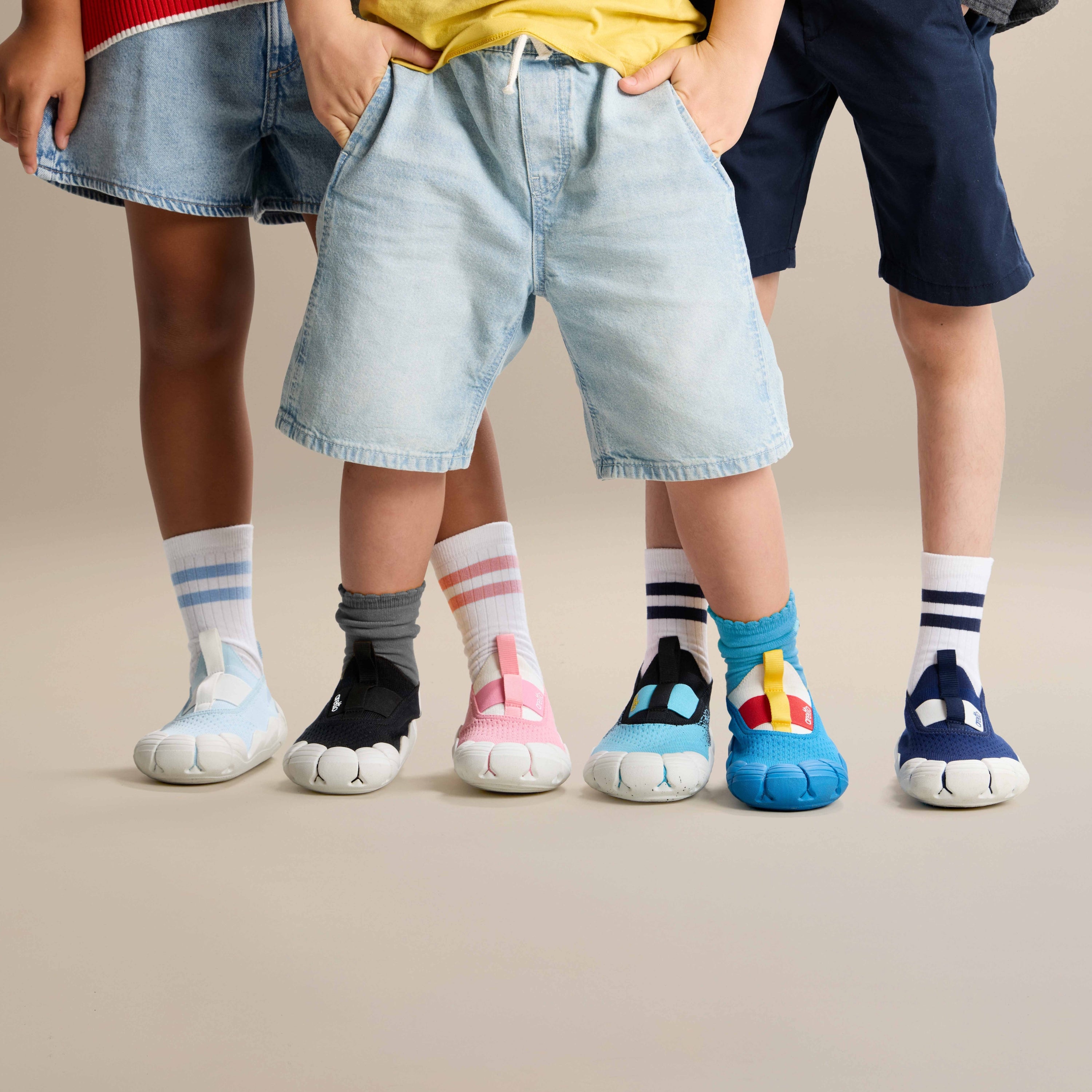
Aretto shoes are built for movement, not display. Flexible soles allow natural motion. Lightweight materials reduce effort. Foot-shaped designs respect growing feet.
By staying out of the way, Aretto footwear supports newborn cognitive development, encourages infant cognitive development, and helps children move confidently through everyday cognitive development milestones.
Beyond Childhood: Lifelong Benefits
Movement habits don’t disappear with age. Supportive footwear continues to affect posture, balance, and mental sharpness later in life.
Step Into Smart Growth with Aretto
Movement and learning are tightly connected. Shoes that respect natural motion protect growing feet while supporting sensory input and focus. Aretto shoes are designed to move with children, supporting posture, balance, and cognitive growth and development through every stage of childhood.
Explore Aretto shoes for littlest toes made for movement, balance, and growing minds.

