



You don’t really expect shoes to be complicated at first. It feels like one of those small things you’ll just handle without thinking too much. And then you try putting them on your baby, and something feels slightly off.
Some days your baby is completely fine. Other times, there’s a small pause. The feet go still, or the toes curl a little, almost like they’re unsure. It’s not dramatic, but it stays in your mind. During sensory development in infant, these small reactions start to matter more than they seem. Your baby won’t adjust to discomfort. They respond to it. Quietly, but clearly, once you start noticing.
And during newborn sensory development, touch is everything. That’s how your baby understands comfort. So when something sits on their feet, even something soft, it might not feel the same to them as it does to you.
Sometimes everything looks right. The shoes fit, the material feels soft, nothing seems wrong. Still, your baby moves a little differently, less stretching, less relaxed movement, just slightly off. It’s subtle. That’s what makes it confusing.
At this stage, shoes are not just about protection. They affect comfort and the development of senses in infants. And when something doesn’t feel right, your baby shows it in small ways.
When things do feel right, nothing really happens. Your baby just stays calm, moves naturally, and doesn't resist. That’s usually your answer. And these small moments are part of early childhood sensory development, even this early on.
Understanding Sensory Issues in Babies and Infants
It doesn’t start clearly. You notice something once, then again, then maybe not for a while. At first, it feels random. After a few times, it starts to feel like a pattern.
During newborn sensory development, your baby is still learning how to process touch, pressure, and temperature. Even small sensations can feel stronger than expected.
Shoes bring all of that together. A seam, a slightly tight area, or even a new texture. None of it seems like a big deal on its own, but together, it can feel like too much. Because this connects to the development of senses in infants, the body reacts quickly. Toes curl. Feet pull back. Sometimes there’s fussiness, sometimes just stillness.
And you’re left wondering what changed. During sensory development in infant, these reactions are the only way your baby communicates discomfort. There’s no explanation, just small signals. Some days everything feels fine. Other days, the same shoes don’t feel right at all. That’s part of early childhood sensory development. It shifts, even when nothing looks different to you.
And as your baby grows, this continues into sensory development in preschoolers, where early comfort patterns start to matter even more.
Key Elements Parents Should Consider When Choosing Shoes
a) Fit and Adaptability
You don’t always notice how quickly your baby’s feet change. One day everything fits fine, and then suddenly it doesn’t. During sensory development in infant, even a small change in fit can affect comfort. Tight shoes create pressure. Loose shoes don’t feel secure.
Shoes that adjust gently tend to work better. They don’t force the foot into place. They just allow it to sit naturally. And you notice the difference in how your baby responds.
b) Soft and Seamless Materials
At first, you might not think much about what’s inside the shoe. But during newborn sensory development and the development of senses in infants, the feet are extremely sensitive. Even a small rough spot can feel uncomfortable.
You might see a quick reaction. A small pullback. That’s enough to tell you something isn’t right. Seamless interiors help avoid this. Soft materials keep things simple and easier for your baby to accept.
c) Cushioning and Support
Your baby may not be walking yet, but their feet are always moving. They stretch, kick, curl their toes, and press gently against surfaces. Cushioning supports these movements by making contact feel softer.
For early childhood sensory development, this matters more than it seems. Comfort allows movement. Discomfort limits it.
d) Lightweight Design
Even a small amount of weight can feel different for your baby. Heavy shoes can feel restrictive. During sensory development in infant, lightweight shoes allow more natural movement.
You may not notice it immediately, but your baby does. And over time, you start to see the difference.
e) Breathability and Temperature Control
Sometimes the issue isn’t the fit at all. Your baby’s feet get warm, slightly sweaty, and suddenly they seem uncomfortable. Breathability helps prevent that.
During newborn sensory development, even small discomforts can feel bigger than they actually are. Light, airy materials make a difference.
Helpful Tips for Parents
There’s no perfect way to do this. Some days, your baby is fine with shoes. Some days they’re not. It doesn’t always follow a pattern.
Let them get used to shoes slowly. Start with short periods. Watch how they react. Since your baby can’t put on shoes themselves, simple designs help you more than they do. And that matters too.
You’ll start noticing small signs. Relaxed feet, less resistance, and smoother movement. These small changes support early childhood sensory development, even if they don’t feel like big progress right away.
Support Every First Step
Your baby learns through every tiny movement. Choose footwear that feels natural, supports balance, and encourages cognitive growth and development from day one.
How to Pick Sensory-Friendly Shoes for Kids?
It doesn’t happen all at once. You try one pair, then another, and slowly start noticing what works. During sensory development, it becomes less about what looks right and more about how your baby responds.
You observe. Some babies are fine during newborn sensory development, while others react immediately. You check the size. Baby feet grow quietly, and even small changes matter.
You pay attention to materials. Soft fabrics support the development of senses in infants better because they don’t feel overwhelming. And as your baby grows, these early choices support sensory development in preschoolers.
It’s not about getting it perfect. It’s about adjusting.
How Aretto Shoes Support Children with Sensory Problems?
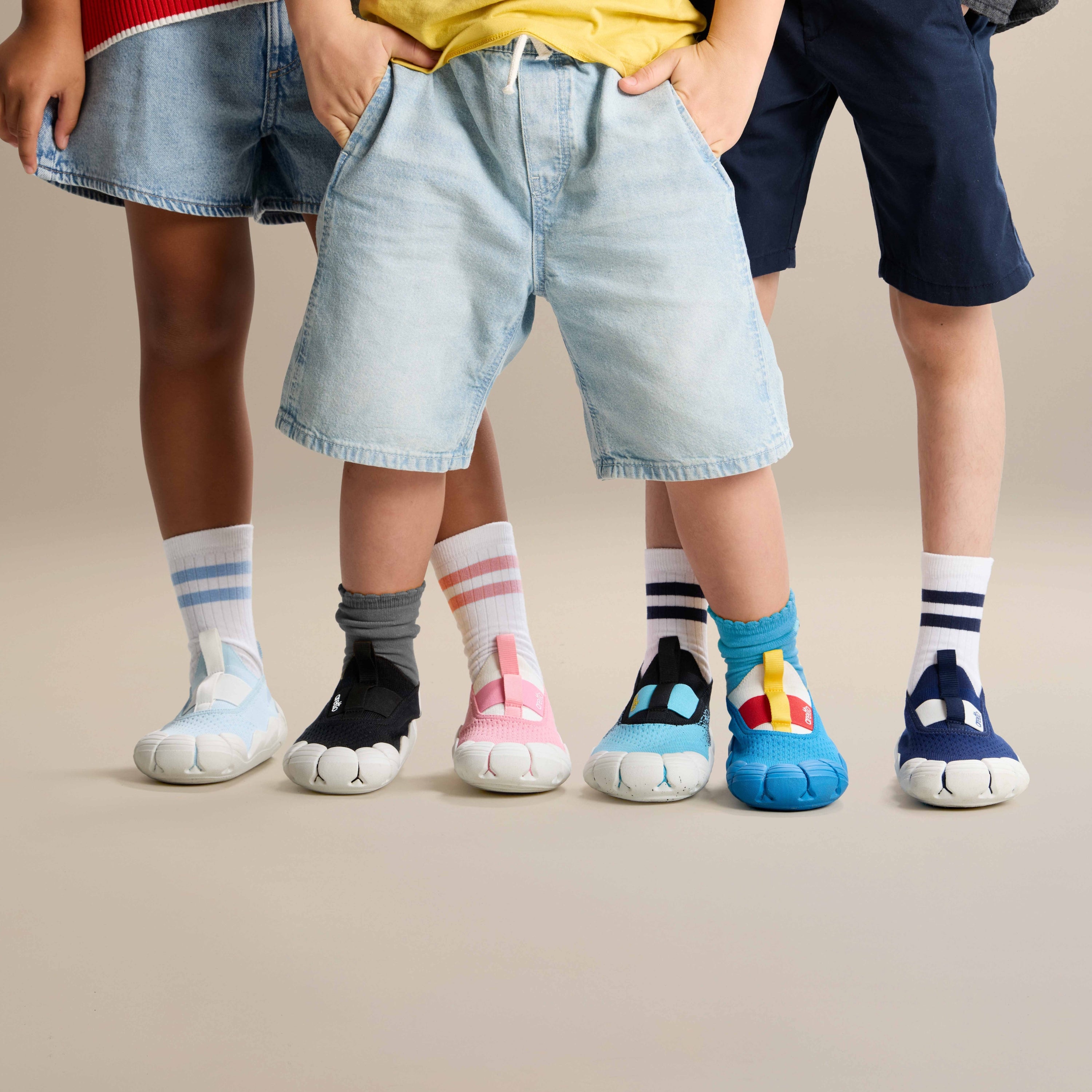
Aretto shoes are designed keeping sensory development for babies in mind. Adaptive sizing adjusts as your baby grows. Soft, breathable materials support the development of senses in infants, while seamless interiors reduce irritation.
The shoes stay lightweight and flexible, allowing natural movement. Cushioning adds comfort without overwhelming sensitive feet. Over time, you notice the difference, less resistance and easier movement.
Shoes stop feeling like something your baby pushes away. And that makes everything easier. Because supporting early childhood sensory development starts with small choices. Explore Aretto shoes designed to support sensory development in infant , helping your baby move comfortably from the very beginning.

