



You bring home the perfect new shoes. Your child is excited. They try them on, you know that moment. The box is barely open before they’ve slipped their feet in. They stand up, take two proud steps, and then that tiny pause. A wiggle of toes, and a small frown on their faces.
You tell yourself, it just needs “breaking in”. But as a parent, you also know how quickly growing feet change. One month everything fits, the next, you’re wondering if you need to learn how to stretch kids shoes just to get through the season.
New shoes always feel exciting. They also feel different, slightly stiff, slightly snug; even a small tight spot can turn into a full-day complaint. That’s why choosing thoughtfully designed footwear matters. The better the flexibility and construction, the less you’ll worry about stretching shoes at home in the first place.
Why Do New Kids’ Shoes Feel Tight?
Before you panic, pause. Tight doesn’t always mean the wrong size.
-
Foot swelling during the day - If you try shoes on in the evening, you’ll notice they feel snugger. Little feet swell just like ours.
-
Slight sizing variations between brands - A size 10 in one brand doesn’t behave like a size 10 everywhere else. That half-centimetre difference can make you Google “how to stretch kids shoes” at midnight.
-
Material stiffness (leather vs synthetic) - Fresh leather needs to be softened. Synthetic materials sometimes feel firm straight out of the box.
-
Why quality construction minimises tightness - Flexible soles and breathable uppers adjust naturally. The more adaptive the design, the less effort you’ll spend stretching a shoe repeatedly.
Signs Your Child’s Shoes Need Stretching
You don’t need dramatic complaints. Kids show discomfort in quiet ways, too.
-
Red marks on feet
-
Toe pressure or nail discomfort
-
Heel rubbing or blisters
-
A stiff walking pattern
-
Refusing to wear the shoes
If you notice these signs, you might consider stretching them gently & gradually. But if the discomfort seems constant. You may need to rethink size. Rather than simply trying to stretch out shoes again and again.
Safe Methods for Stretching a Shoe at Home
When you’re figuring out how to stretch them, keep it calm and controlled. Gentleness always works better than aggressive fixes.
1. Wear-With-Socks Method
Thick socks + short indoor walking sessions. Make your kids wear thick cotton socks and walk around the house for 15-20 minutes. It’s the easiest way to stretch them naturally using body warmth and movement. No rushing or forcing, just small sessions over a few days to slowly stretch shoes without stress.
2. Gentle Flex & Movement
Hold the shoe with both hands. Gently flex the sole back and forth. Not twisting or folding in half. Just loosening initial stiffness. If the sole is designed to move with your child’s foot, you won’t need heavy stretching and shoe tricks at all.
3. Using a Shoe Stretcher
A proper shoe stretcher gradually widens tight areas. This method is especially helpful for leather pairs. Insert the tool, adjust slowly, and leave overnight. When done correctly, this is one of the safest ways of stretching a shoe without damaging its structure.
4. Take Professional Help
If the material feels too stiff or expensive to experiment with, let a professional handle stretching it. A cobbler knows exactly how far to adjust without weakening seams.
Support Your Child’s Natural Foot Growth
Kids’ feet grow and change quickly. Choose lightweight, flexible shoes designed to support natural movement, better balance, and all-day comfort for growing feet.
How to Stretch Out Shoes Without Damaging Them?
If you’re learning how to stretch kids’ shoes, remember this: heat and panic are not your friends.
-
Checking material before you stretch shoes - Leather responds well. Stiff synthetics usually don’t.
-
Avoid overheating or soaking - Too much heat can shrink or warp instead of helping you stretch out shoes.
-
Controlled, gradual stretching - Small adjustments over time always work better than one aggressive attempt at stretching a shoe.
-
Why breathable, adaptive materials adjust naturally - Modern lightweight fabrics move with the foot, reducing your need to constantly figure out how to stretch kids shoes in the first place.
Materials That Stretch Easily vs. Those That Don’t
Knowing what you’re working with saves frustration.
- Leather
Stretches moderately and responds well to careful stretching shoe methods.
- Knit & engineered mesh
Naturally adaptive and often don’t require you to stretch shoes manually.
- Synthetic stiff materials
Limited stretch and may resist efforts when stretching them.
- Lightweight, flexible designs
Support natural foot expansion, so you won’t frequently research how to stretch shoes for kids.
What NOT to Do When Stretching Kids’ Shoes?
You’ll see hacks online. Please don’t try them all.
- Freezer hacks (moisture damage)
Water expansion sounds clever, but it can ruin the structure instead of helping you stretch out shoes safely.
- Excessive heat
Direct heat may crack materials rather than help stretch them.
- Forcing undersized shoes long term
No amount of effort can fix shoes that are truly too small. Ignoring signs that sizing, not stiffness, is the real issue - If you keep attempting how to stretch kids’ shoes, solutions without improvement, sizing is likely the problem.
When Stretching Isn’t Enough: It’s a Size Issue
Sometimes growth happens overnight. One week, they’re fine. Next, everything feels tight.
Growth spurts and sudden tightness
Kids’ feet can grow quickly, making repeated stretching a shoe unnecessary and ineffective.
Proper toe room (thumb-width rule)
Leave about a thumb’s width between the longest toe and the front of the shoe.
Growth-friendly sizing helps prevent discomfort
When shoes are designed to adapt as kids move, you won’t need constant stretch out shoes fixes.
How to Prevent Tight Shoes in the Future : Choose Aretto
Sometimes tight shoes happen simply because life gets busy. You buy a pair. It fits well enough. And then a growth spurt shows up out of nowhere. Kids don’t exactly send reminders. That’s why measuring their feet every couple of months really matters. It keeps you from reaching the point where you’re searching late at night for how to stretch kids shoes just to make them last a little longer. Another small but helpful habit is shopping in the evening. After a full day of activity, feet are slightly more expanded, so you’re choosing a size that works in real conditions.
It also helps to be honest about how the shoe feels from the start. If it’s stiff when you press the sole or tight across the toes in the store, chances are your kid will end up stretching a shoe at home and hoping it loosens up. Most of the time, that’s a sign to try another pair instead. Soft, flexible soles and breathable uppers make everyday movement easier. And reduce the need to constantly stretch shoes after just a few wears.
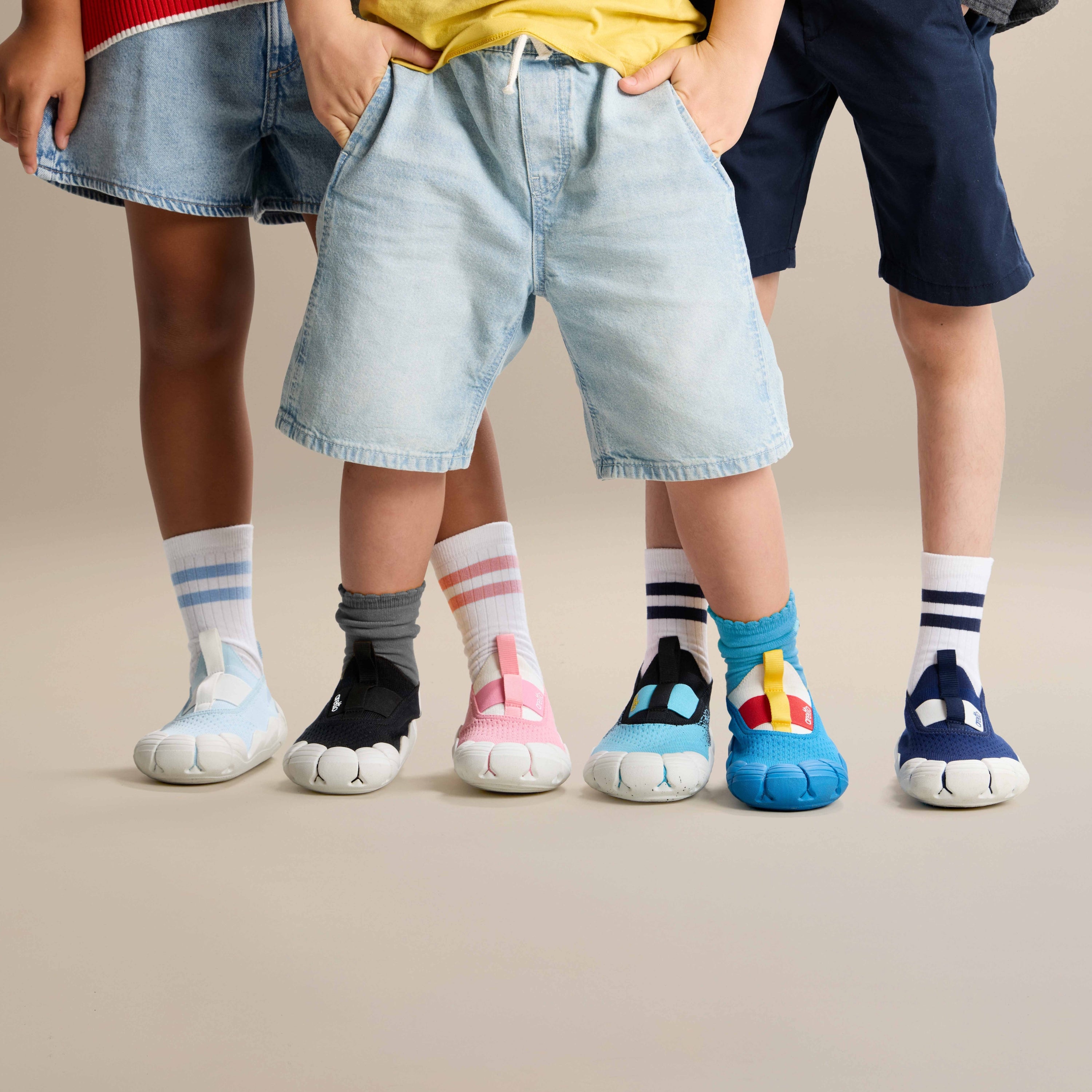
Adaptable designs make things even simpler. Aretto focuses on comfort and flexibility. Which means the shoes adjust better as kids move and grow. Instead of fixing tightness later, you’re choosing something that works with your child’s changing feet from the beginning.
Learning how to stretch shoes can solve minor tightness. Gentle techniques, patience, and the right tools make a difference. But here’s the honest parent-to-parent truth: correct fit is everything. No amount of stretching them can replace proper sizing.
Comfort builds confidence. It shapes posture. It influences how freely your child runs, jumps, and explores. And when you invest in adaptive footwear that grows and flexes naturally, you won’t constantly worry about how to stretch out shoes again.
Stretching a shoe is a quick fix, not a long-term solution. Choose Aretto shoes for your kids’ growing feet and let your child move, grow, and play in comfort every single day.


