



Your child’s feet grow faster than you can imagine, sometimes a whole size every 2-3 months. A lot of kids end up wearing shoes that don’t really fit. They keep them on all day. It happens more easily than you’d think. You pick something that looks nice. Maybe your child likes the color, and that becomes the main focus.
But honestly, fit and comfort matter way more than how the shoe looks. The right size isn’t just about whether it goes on easily. It affects how your child walks, moves, and even how their posture develops over time.
Getting the toddler shoe size right early on might seem like a small thing. It actually makes a big difference later. It’s something every good shoe buying guide talks about, even if it doesn’t always get enough attention. And once you start paying attention to toddler shoe sizing, you realize how often it’s overlooked.
The Science of Foot Growth - Kids vs Adults
Kids’ Feet: Constantly Evolving
At birth, a baby’s foot is soft cartilage, which hardens into bones as they grow older. These developing bones need room and flexibility to form properly.
Growth in children happens in spurts. One month everything fits, and the next month, suddenly it doesn’t. That’s why keeping track of toddler shoe size regularly matters more than most parents expect.
Since the nerves and ligaments are still developing. Kids often can’t sense if their shoes are too tight. This is exactly why consistent toddler shoe sizing checks are recommended in every practical shoe fitting guide.
Adult Feet: Growth Stabilizes, Shape Adapts
Children’s feet grow continuously, unlike adults’ feet, which stop growing by age 20. Over time, adult feet adapt rather than grow.
So while adults focus on comfort, kids need the right toddler shoe size to support proper development right from the start.
Key Difference: Growth vs. Maintenance
Growth:
Kids’ feet are still forming, which is why accurate toddler shoe sizing is essential.
Maintenance:
Adult feet change over time rather than growing, which changes how shoes are selected.
The Anatomy of Kids’ Foot
A kid’s foot is not a mini version of an adult foot, and this directly affects how you approach toddler shoe sizing. Most structured shoe buying guide resources highlight this difference for a reason.
-
Soft Arches: Develop gradually
-
Chubby Toes: Need space to spread
-
Flexible Joints: Require movement-friendly shoes
-
Rapid Bone Formation: Incorrect toddler shoe size can impact growth
This is exactly why following a reliable shoe-fitting guide is important during the early years.
The Hidden Dangers of Ill-Fitting Shoes
A. Shoes That Are Too Small
When the toddler shoe size is too small, it can lead to blisters, nail issues, and even long-term problems.
Poor toddler shoe sizing can also affect circulation and natural movement.
B. Shoes That Are Too Big
Oversized shoes may seem harmless, but they affect balance.
Kids often adjust their walking pattern to compensate. Which is something most shoe buying guide recommendations warn against. Over time, incorrect toddler shoe sizing can lead to uneven wear and discomfort.
Measuring Feet the Right Way: A Parent’s Step-by-Step Guide
If you follow a basic shoe fitting guide, this becomes much simpler:
-
Measure both feet while standing.
-
Check the size in the evening.
-
Trace or use a measuring chart.
-
Leave a thumb’s width for growth.
-
Check width and comfort.
-
Let your child walk and move naturally.
Getting the toddler shoe size right at this stage prevents most issues later and makes toddler shoe sizing far more accurate.
Key Features of the Perfect Shoe for Growing Feet
Every practical shoe buying guide highlights these features:
-
Flexible soles
-
Lightweight construction
-
Wide toe box
-
Breathable materials
-
Supportive heel
-
Padded insoles
All of these directly support better toddler shoe sizing and overall comfort.
How to Pick the Perfect Pair
-
Make sure they are comfortable.
-
Check for proper toddler shoe size.
-
Look for flexibility.
-
Follow a simple shoe fitting guide instead of guessing.
Support Your Child’s Natural Foot Growth
Kids’ feet grow and change quickly. Choose lightweight, flexible shoes designed to support natural movement, better balance, and all-day comfort for growing feet.
Common Myths About Kids’ Shoe Sizing
Myth 1: Buy bigger so kids can grow into them
Reality: This disrupts proper toddler shoe sizing
Myth 2: No complaints means correct fit
Reality: Kids often don’t realize discomfort
Myth 3: Every brand fits the same
Reality: Every shoe buying guide will tell you otherwise
Myth 4: Hand-me-down shoes are fine
Reality: They affect natural foot shape
Understanding Growth Room: How Much Space Is Just Right?
The golden rule, often mentioned in any shoe fitting guide, is simple: leave a thumb’s width in front.
This ensures the toddler shoe size allows movement while still keeping the foot secure. Proper toddler shoe sizing is really about balance.
How Activity Type Influences Shoe Fit
Different activities need different features:
-
Everyday → lightweight + flexible
-
Play → cushioning + grip
-
School → comfort-focused
-
Outdoors → durability
A good shoe buying guide always considers how the shoes will actually be used.
The Role of Good Shoe Design in Foot Development
Shoes play a direct role in how children move and develop coordination.
That’s why choosing the right toddler shoe size, along with thoughtful design, matters for long-term foot health.
Why Aretto Gets It Right?
If you’ve bought shoes for your child even a couple of times, you’ve probably seen the pattern. They fit perfectly in the beginning. You feel like, okay, this should last. And then, not even a month or two later, something feels off. Either they start avoiding those shoes, or you notice marks, or they just say it feels tight.
It’s not really about the shoe being bad. It’s just that kids grow… quietly, constantly. And most shoes aren’t built for that.
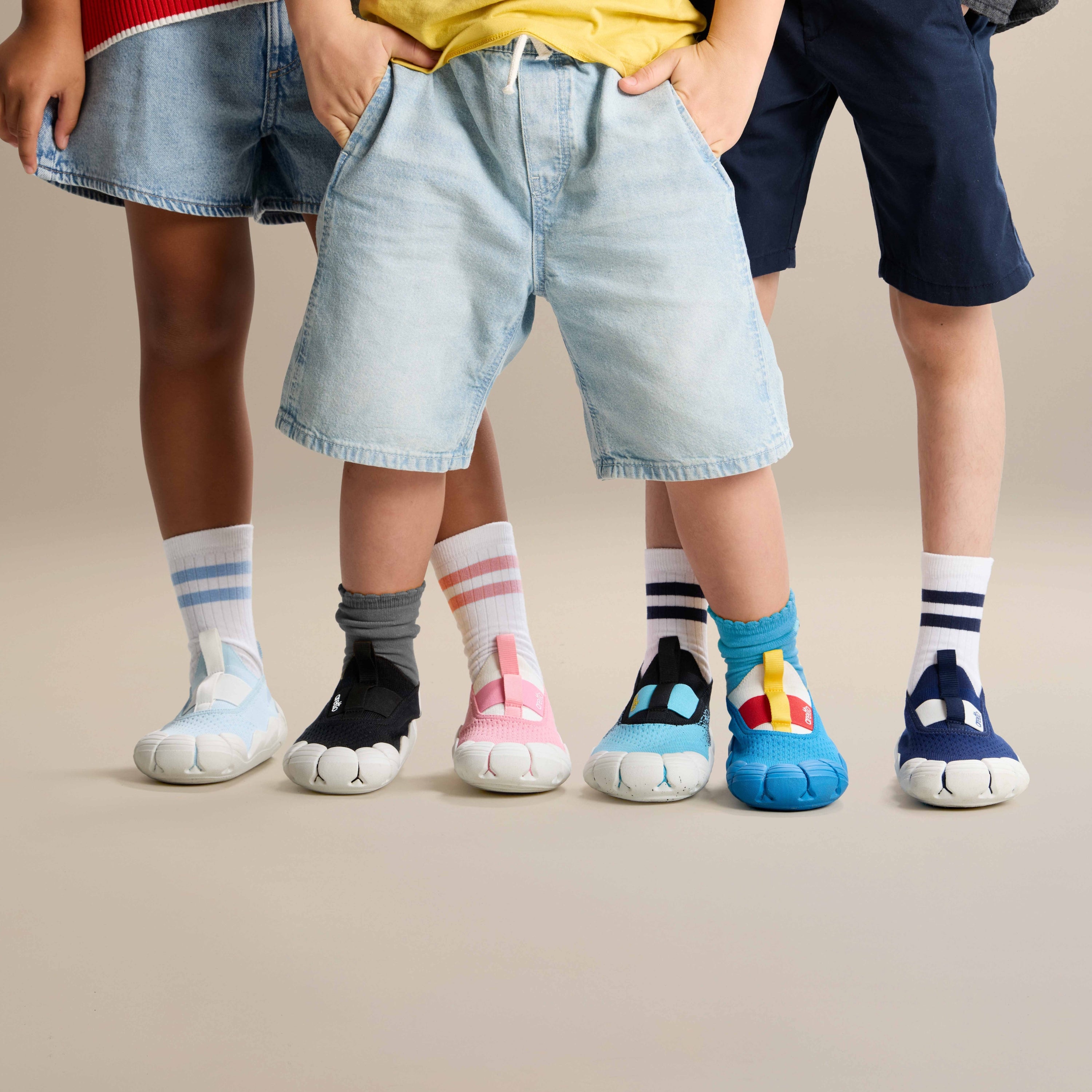
That’s where Aretto feels a bit different. Instead of treating shoe size as something fixed, it’s designed around the idea that your child’s feet won’t stay the same for long. Which, honestly, makes more sense when you think about it.
1. Growth-Friendly Fit
This is the part that actually changes things.
We use SuperGrooves, but you don’t really have to get into the technical side of it. What matters is how it feels in real life. The shoe doesn’t feel rigid. It has a bit of give, a bit of flexibility, so as your child’s foot grows, the fit adjusts instead of suddenly becoming tight.
So you’re not stuck in that cycle of “this fit last week, why doesn’t it fit now?”
It doesn’t mean the shoe magically lasts forever. But it does mean you get more time out of it without that constant worry in the back of your mind about whether it’s already too small. And that alone makes toddler shoe sizing feel a little less stressful.
2. Sustainability and Smart Buying for Growing Feet
Most parents don’t think of this in terms of sustainability at first. It’s usually just about convenience. Not having to replace shoes again so soon.
But when you step back, it adds up. Fewer replacements mean less waste, fewer rushed purchases, and, honestly, fewer moments of guessing whether you’re buying the right thing again.
Following a good shoe-buying guide helps, but even then, if the shoe itself doesn’t adapt, you’re still stuck repeating the process.
Choosing something that lasts a bit longer, something that works with your child’s growth instead of against it, just makes everyday life easier. It’s less about perfection and more about practicality.
3. A Small Shift That Makes a Difference
In the end, it’s not just about getting the right toddler shoe size once. It’s about not having to keep fixing the same problem again and again.
Aretto kind of takes that pressure off, at least a little. Your child stays comfortable for longer, you don’t have to keep second-guessing the fit, and things just feel… simpler.
Give your child the right start. Explore Aretto’s thoughtfully designed shoes, created to adapt to your child’s growing feet and support the right toddler shoe size for longer comfort.


