


School Shoes For Kids
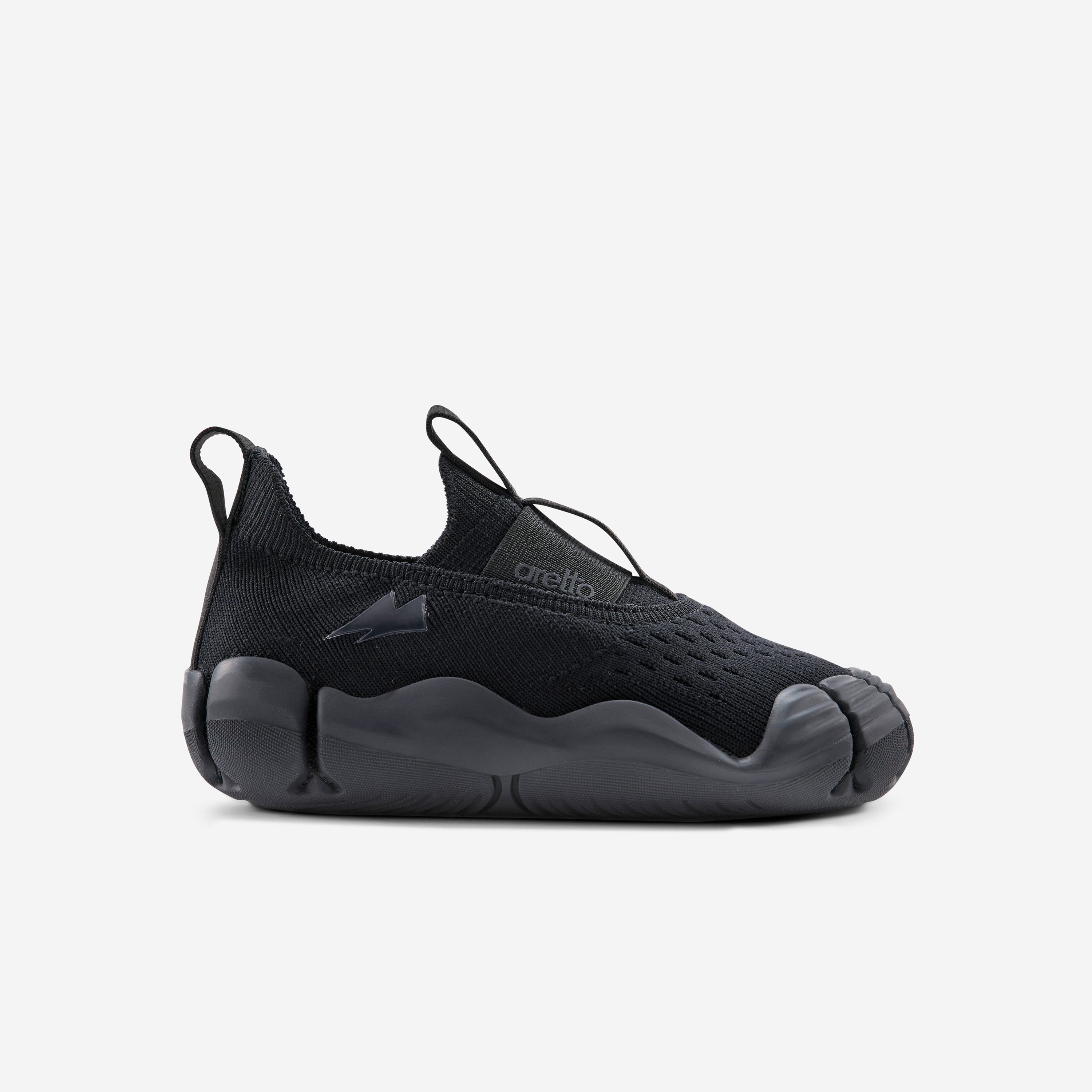
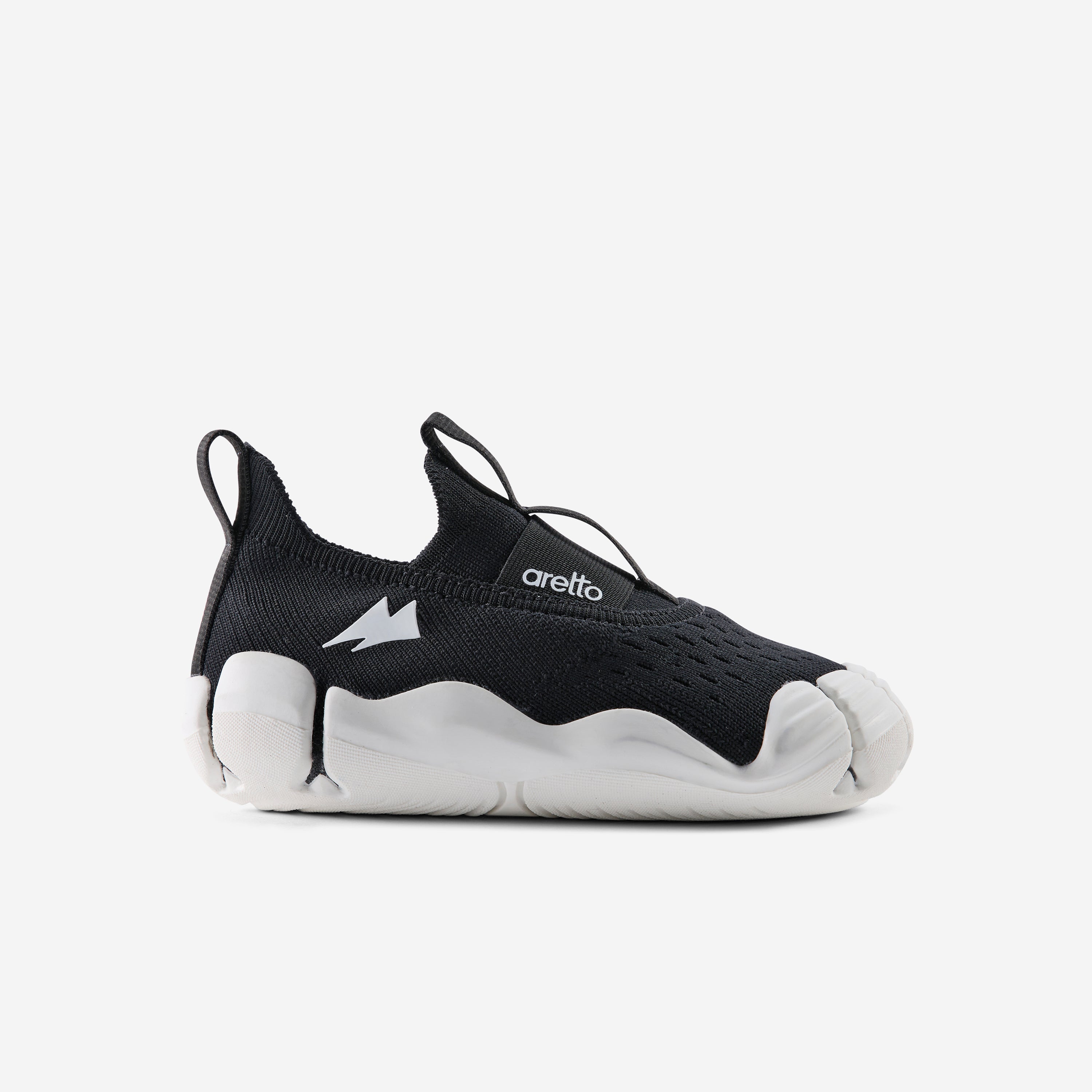
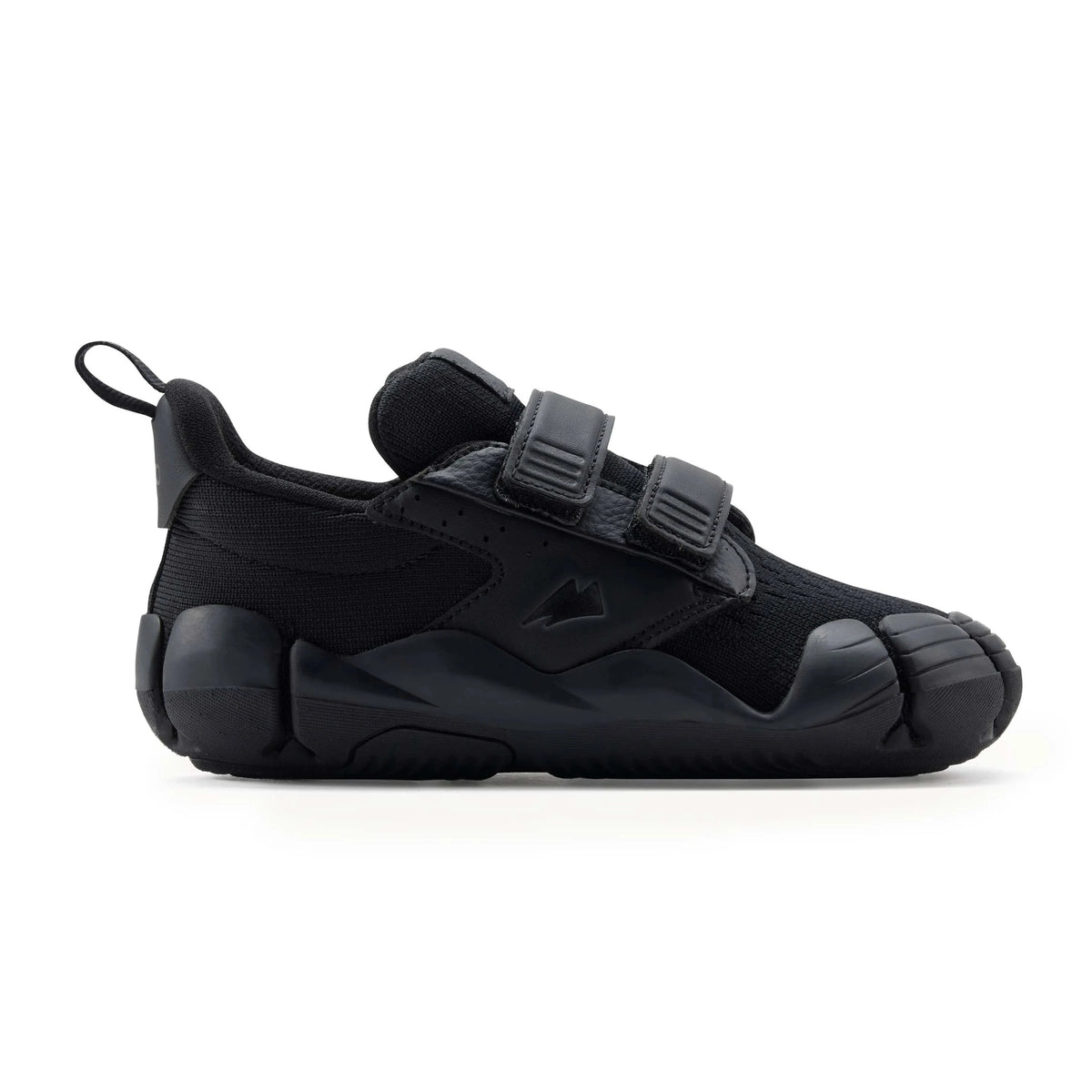
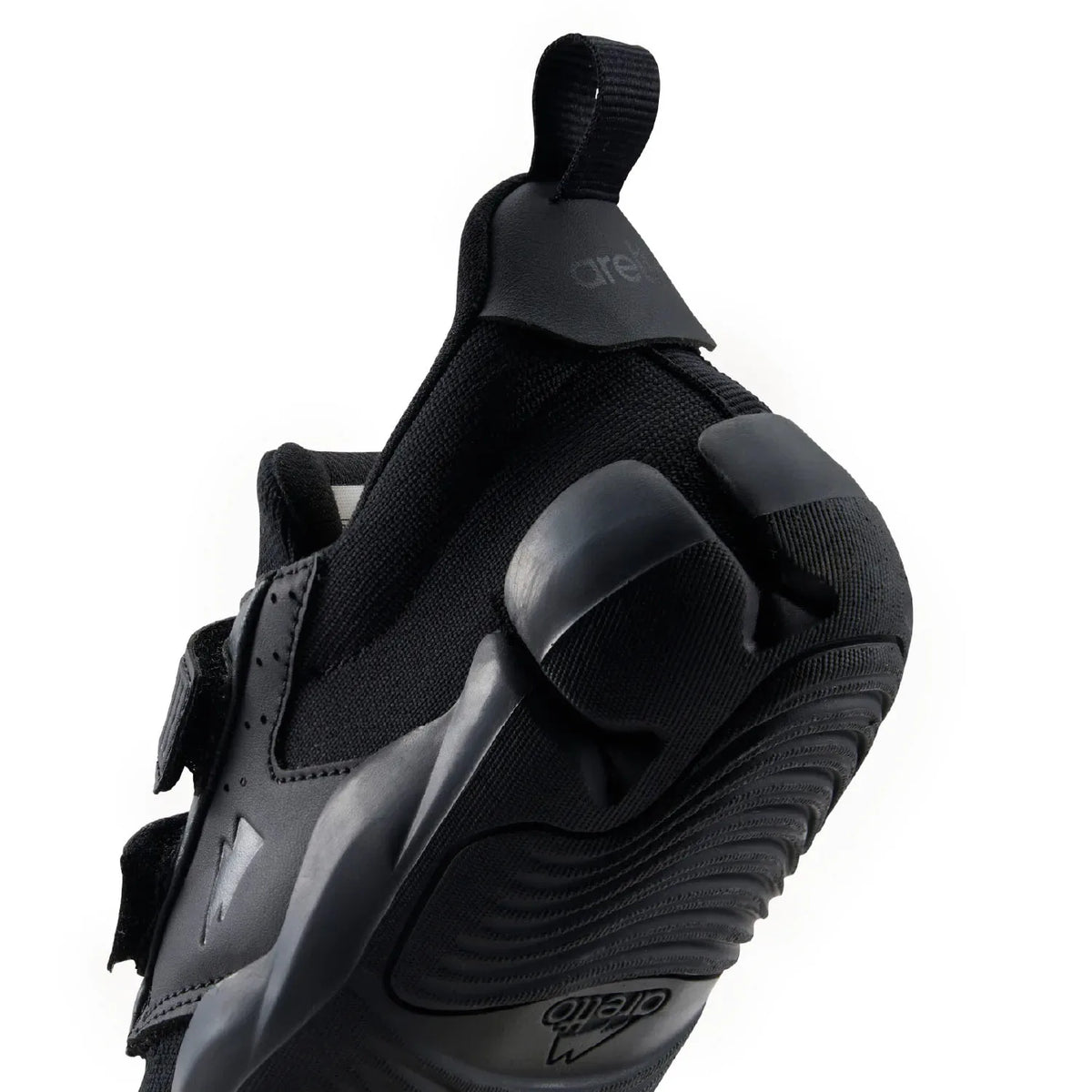
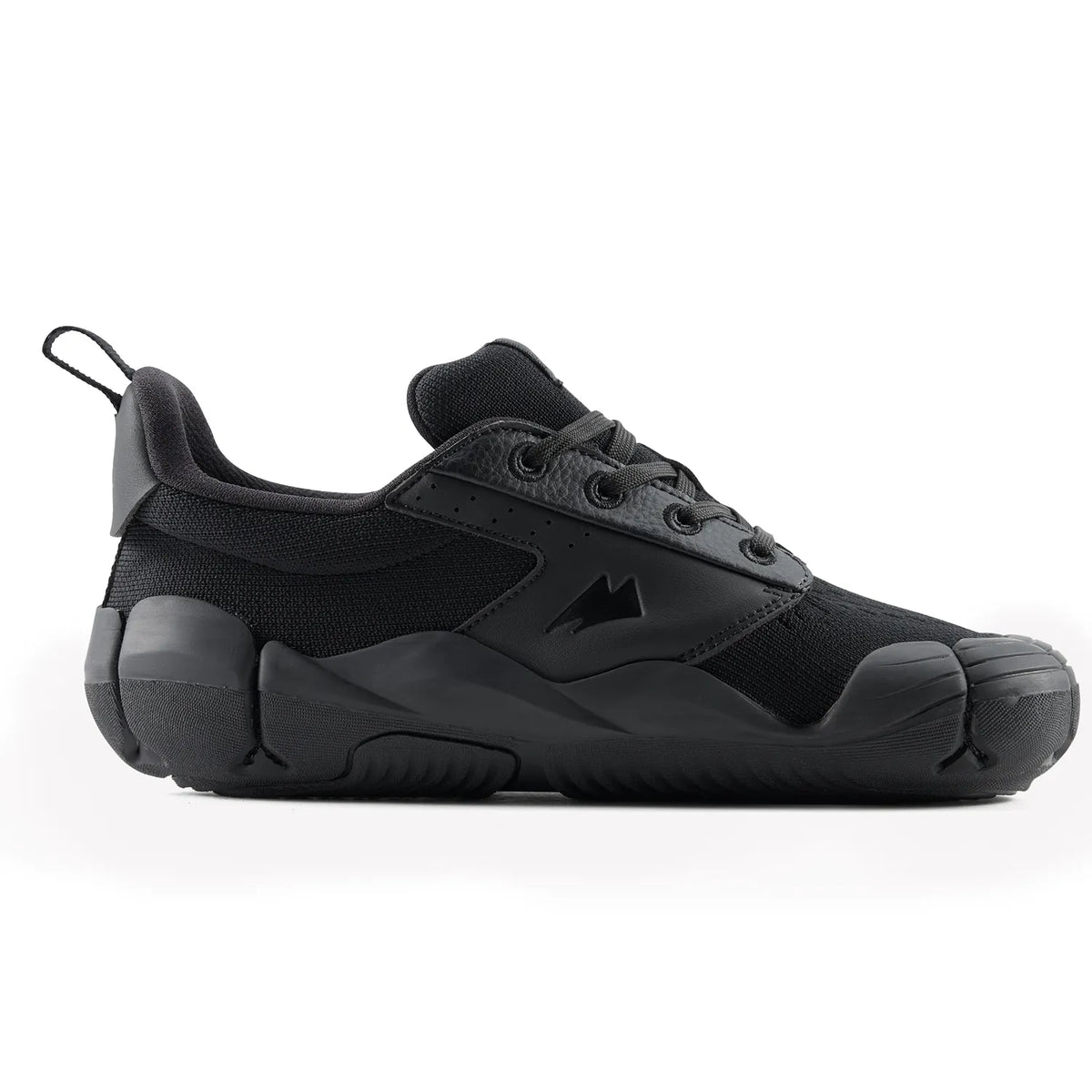
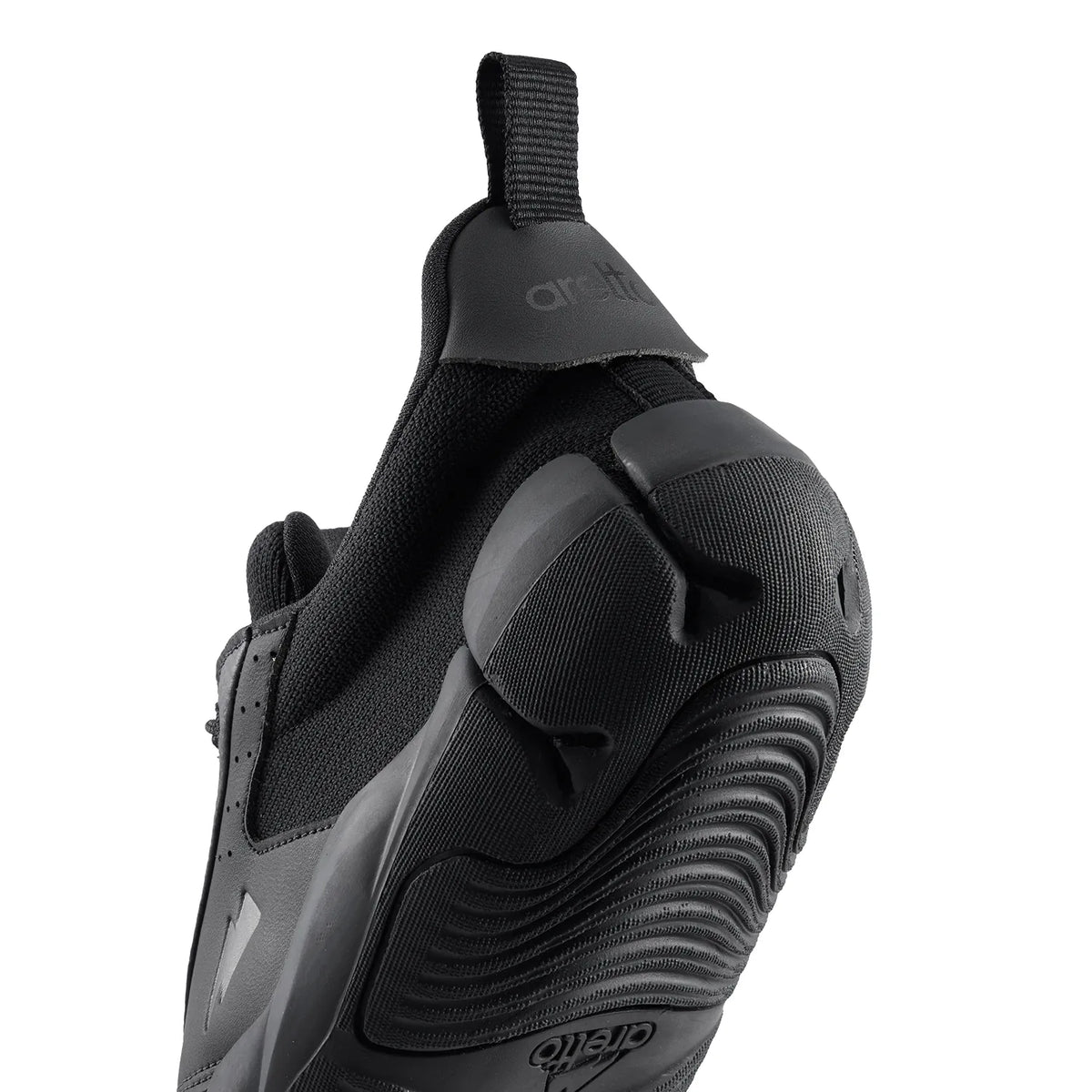
Kids School Shoes: Expands Across Three Sizes
School shoes for kids in school-legal black, EU 20 to 37. The sole expands across three EU sizes as feet grow, so the pair that fits in June still fits in December. Slip-on, machine washable, and a 10-day size exchange if the number is wrong.
Which Kids School Shoes to Buy
Buy one pair that covers three sizes rather than three pairs that cover one each.
A school shoe gets worn about 200 days a year, on a foot that is still growing the whole time. That is why it is the pair most likely to be too small by the end of term: it is bought once, then worn every day whether it still fits or not.
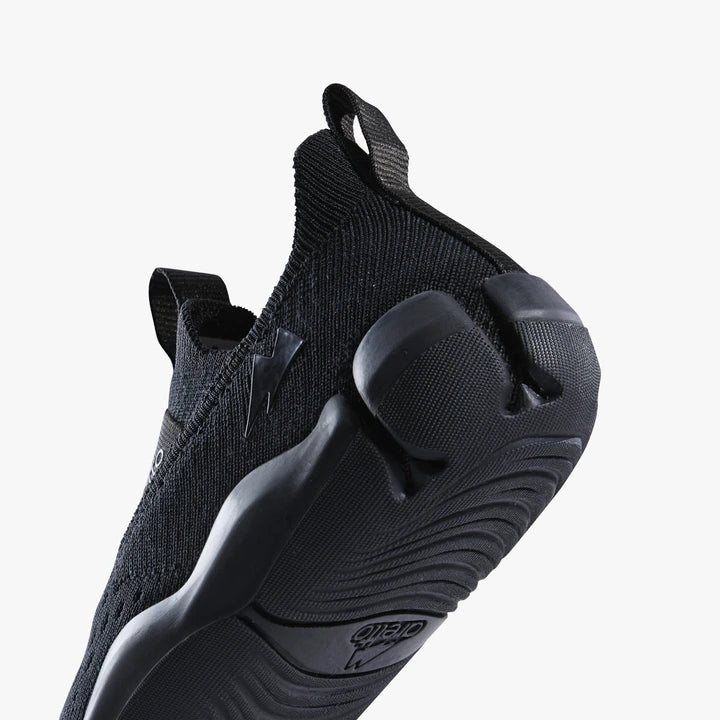
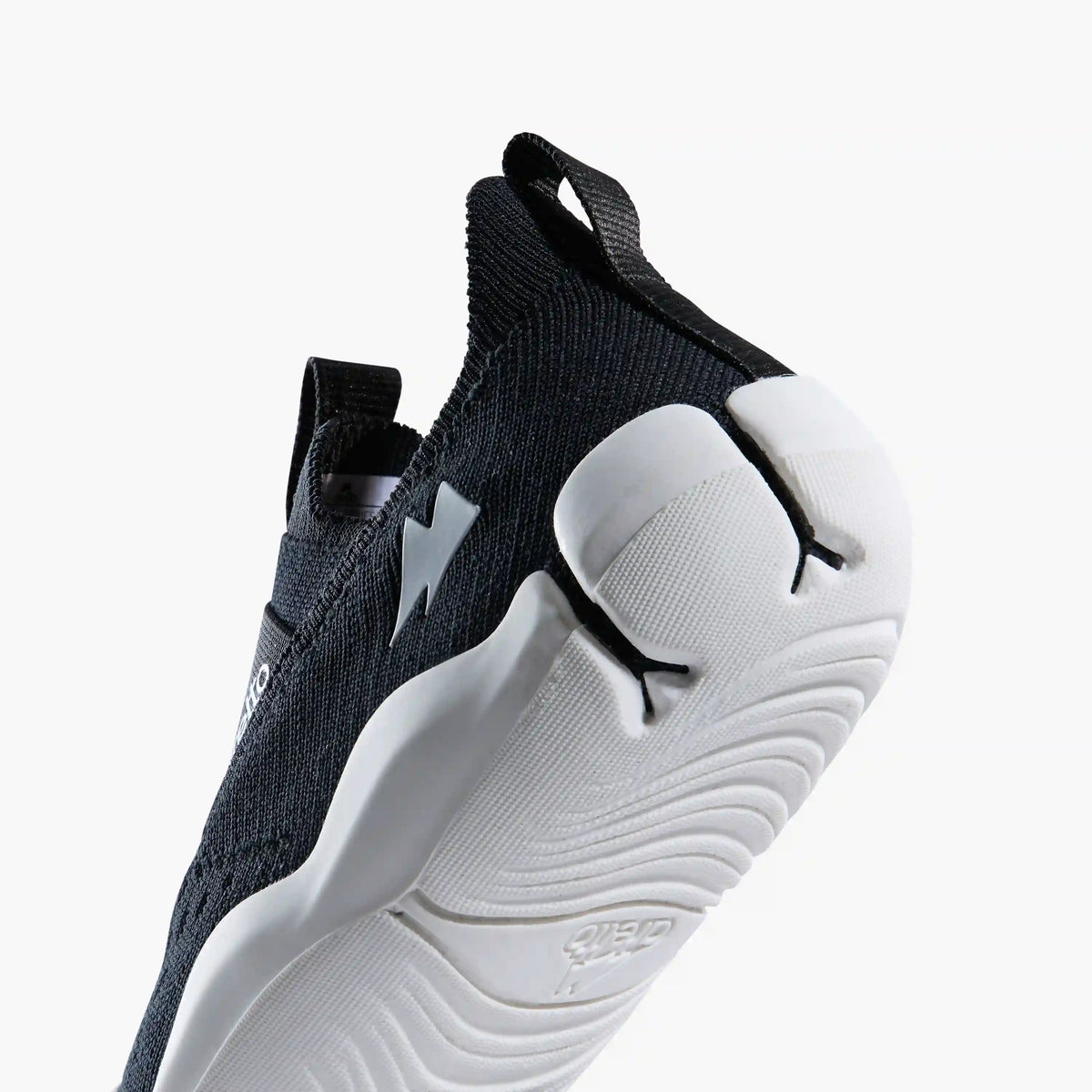
The sole on every pair here opens along hidden grooves as the foot lengthens, covering three consecutive EU sizes. Buy at EU 29 and the same pair is still on the foot at EU 31.
What One Pair Costs Per Size It Covers
Divide the price by the sizes the pair covers before you compare anything.
Leaps starts at ₹2,699 in this collection. Across the three EU sizes one pair covers, that works out at roughly ₹900 per size.
Buying three separate fixed-size pairs to cover those same three sizes means paying three full prices, usually with two of them bought mid-term and in a hurry.
What You Get in Every Pair
Buy any colourway here and the build is the same.
| What you are paying for | What it does on a school day |
|---|---|
| Expandable sole | Opens as the foot lengthens, covering three consecutive EU sizes |
| Zero-drop sole | Heel and toe sit level, the way the foot stands barefoot |
| Wide toe box | Toes stay spread when weight goes onto them |
| Infiknit™ knit upper | 2.5 mm, half polyester and half spandex, stretching in every direction so nothing needs breaking in |
| SquishyFoam insole | 6 mm high-density foam that compresses and springs back |
| Slip-on fastening | No laces to tie at 8:10 am and none to retie at the gate |
| Machine washable | Cold, gentle cycle, so a muddy Friday is a clean Monday |
That last row matters more than it reads. A child who can put their own shoes on does, and nobody is kneeling on the doorstep at the exact moment the bus arrives.
Why the Fit Slips on This Pair First
School shoes are bought once a term and worn daily in between, which is how a shoe ends up two months past fitting before anyone notices.
Light, flexible and flat-soled is what suits most school-aged children for all-day wear. A study comparing barefoot and shod walking found that more flexible footwear let children's feet move more naturally than stiffer alternatives. Every pair in this collection is built flexible and flat.
Because the sole opens as the foot grows, the fit you buy in June is still working in December. The school calendar stops deciding when you shop.
Which Colour the Uniform List Allows
Buy black if the list is strict, and check it before you order either way.
Classic Black and All Black are the uniform-safe colourways here, black through the upper and the sole, which is what most lists specify. Black school shoes also hide a wet playground between washes, which is the practical argument on top of the compliance one.
White school shoes clear some codes and not others, so read the list rather than assuming. Any bright colourway will not pass a strict uniform check at all.
Black school shoes for girls and the boys' pairs are the same shoe in this collection, so the colour decision is the only one you are actually making.
Codes still differ. Some schools ask for laces, some for leather. If you read the list wrong, the 10-day exchange covers you.
One Shoe, Every Uniform Code
There is no separate build by gender here. Every pair is made on one shoe shape, with the same flat, flexible sole and the same stretch knit upper, and it is sized on foot length rather than on a label.
Boys school shoes here share the price, the size bands and the fit with every other pair in the collection. Anyone shopping for girls school shoes is choosing from the same colourways and ordering to the same measurement.
That keeps it simple: pick the size, pick the colourway, done.
For a second pair worn outside school hours, look at shoes for boys. The equivalent list for girls is shoes for girls.
Which Size to Order
Measure the foot in centimetres and match the number to the band. Age is the least reliable number on a shoe box.
| Size | Age guide | EU | Foot length |
|---|---|---|---|
| S1 | 1 to 2 years | 20 to 22 | 12.1 to 13.4 cm |
| S2 | 2 to 3 years | 23 to 25 | 14 to 15.3 cm |
| S3 | 3 to 4 years | 26 to 28 | 16 to 17.3 cm |
| S4 | 4 to 6 years | 29 to 31 | 18 to 19.3 cm |
| S5 | 6 to 8 years | 32 to 34 | 19.9 to 21 cm |
| S6 | 8 years and up | 35 to 37 | 21.6 to 23.3 cm |
Take the larger size when the measurement falls between two bands. The sole opens as the foot grows, so the larger band closes the gap. A shoe that is already tight has nowhere to go.
Measure in the evening, in the socks worn to school, and measure both feet. They are often different, and the longer one decides the order.
Full conversions sit on the kids shoe size chart.
They Go in the Washing Machine
Cold water, gentle cycle. That is the whole method.
On a school shoe this matters more than on any other pair, because the same shoes come home wet on Monday and go back out on Tuesday. Spot-clean with mild soap in between if you would rather not run a full wash.
Air dry away from direct sun and heat. No tumble dryer, no radiator. Washed on Friday evening, they are dry for Monday.
What Happens After You Order
Prepaid orders ship free, and cash on delivery adds ₹50 on carts up to ₹10,000. Orders usually arrive within 5 business days, or 5 to 10 days outside the metros.
A size exchange can be requested within 10 days of delivery, with free pick-up in most locations. Keep the original packaging ready: the shoe box, the foot scale, the shoe tag, and the butter paper. Exchanges are valid once per order, and only size exchanges are accepted, so settle the colourway before you order.
Every pair carries a one-year warranty covering sole pasting and stitching defects, though not ordinary wear. Full terms sit on the shipping and refund policy.
Order the Size the Measurement Gives You
Measure the longer foot in centimetres, read the band off the table, and take the larger size if the number sits between two.
Then pick the colourway against the uniform list rather than against the photograph.
Buy school shoes once this year instead of three times, and the rest of the term takes care of itself.
Frequently asked questions
Shop Kids’ Shoes by Collection
Kids School Shoes | Toddler Shoes | Boys Shoes | Girls Shoes | Kids Sports Shoes | Boys Running Shoes | Girls Running Shoes | Boys Sneakers | Girls Sneakers | Boys Casual Shoes | Girls Casual Shoes | Kids Barefoot Shoes | Baby Shoes | Infant Shoes | Newborn Baby Shoes | Newborn Baby Gifts