


Toddler Shoes
Filters
14 products
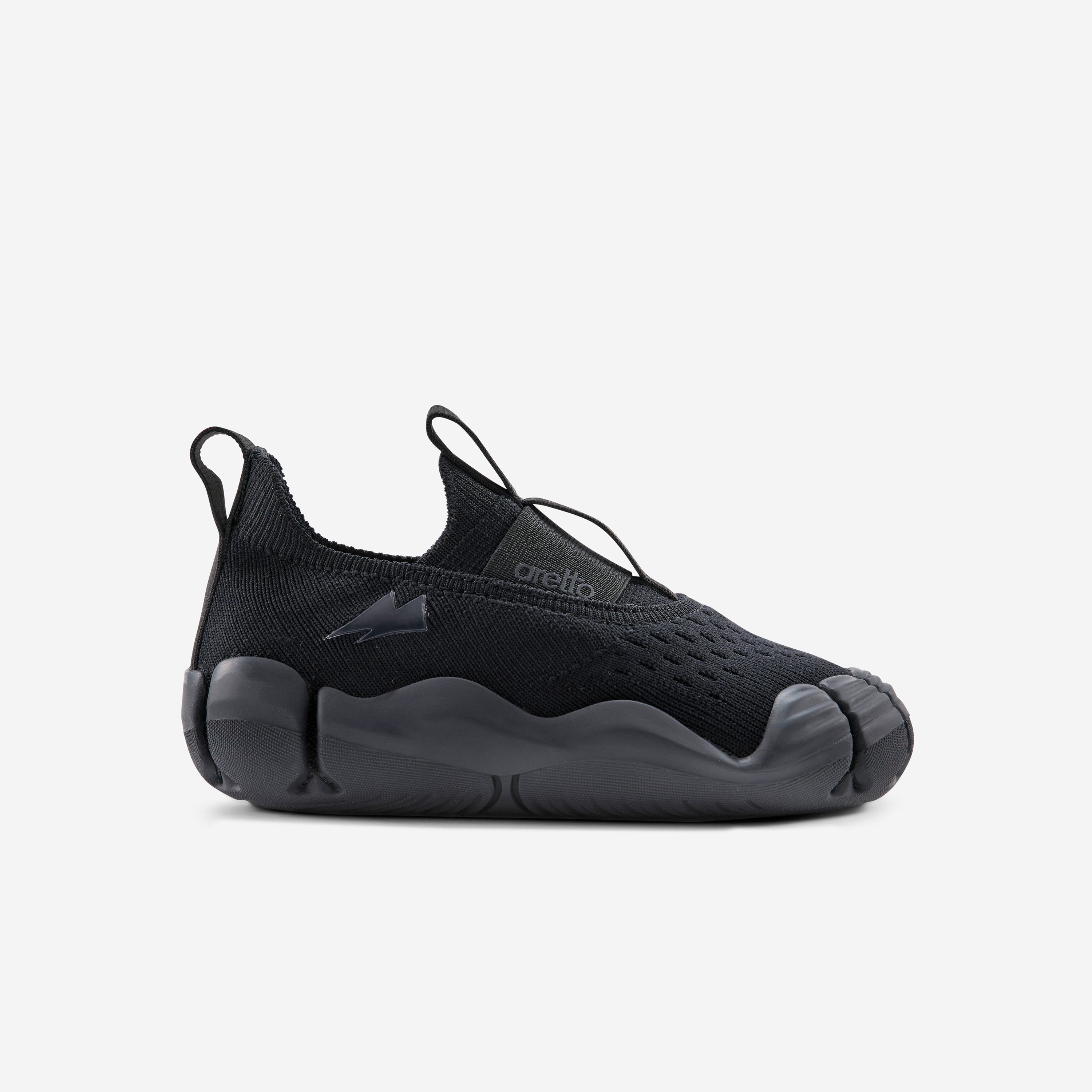
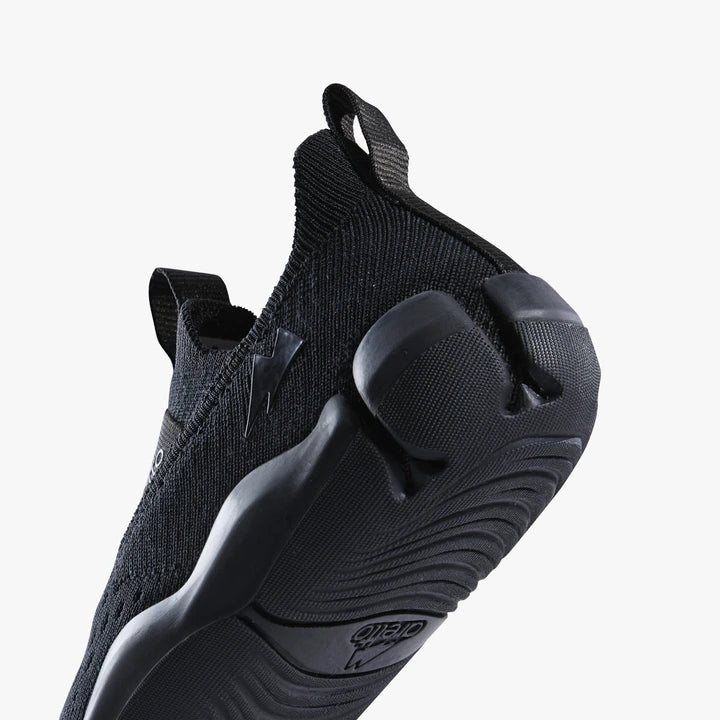
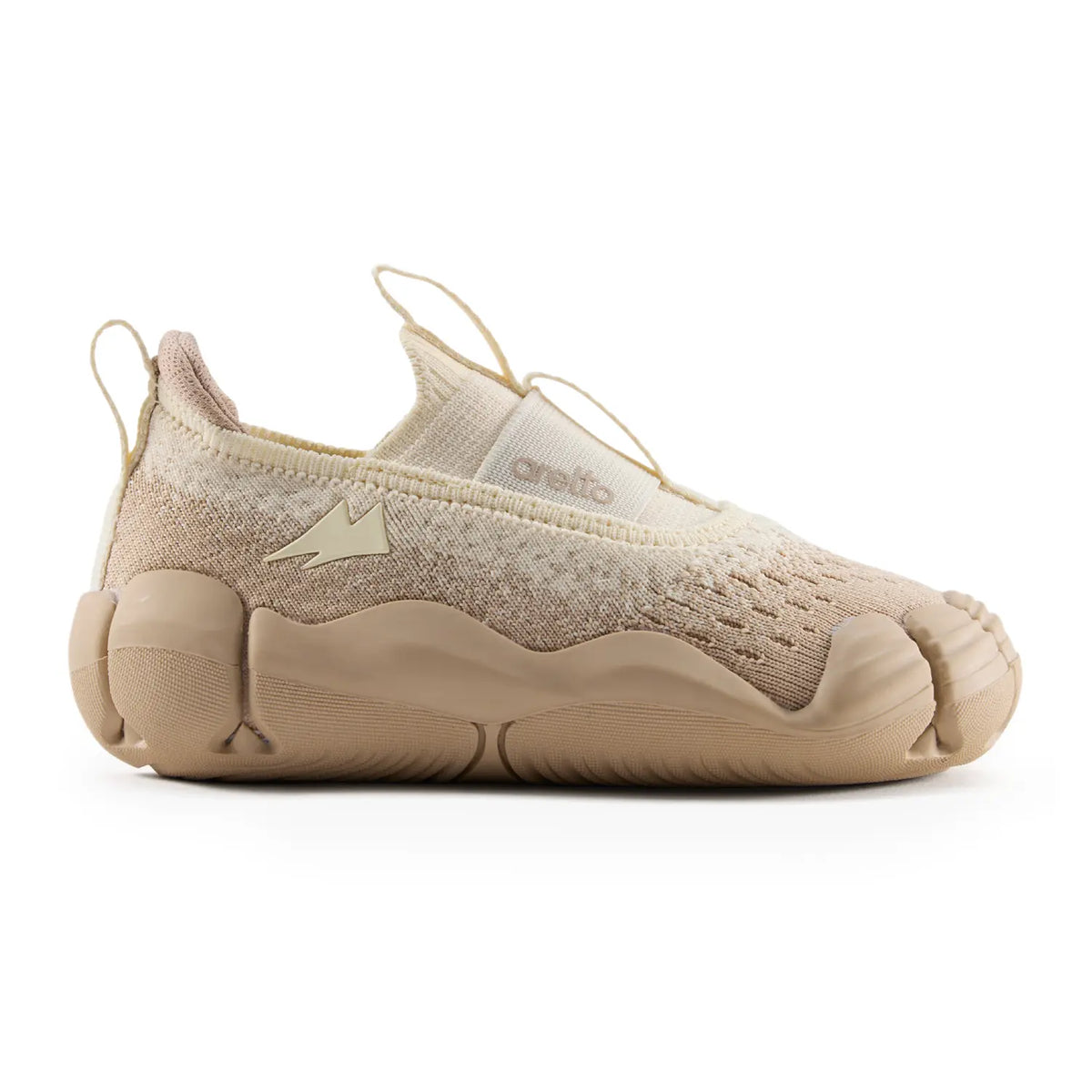
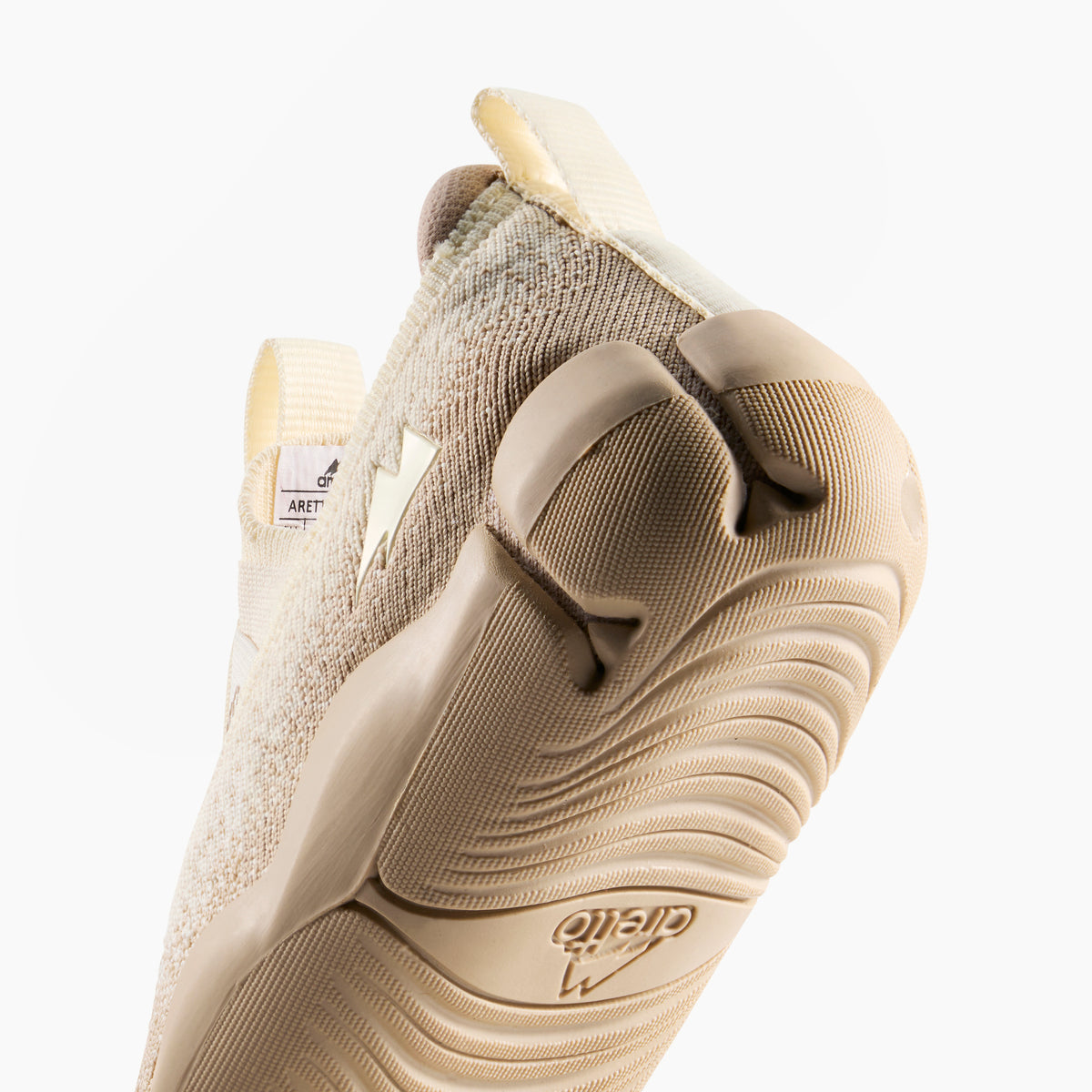
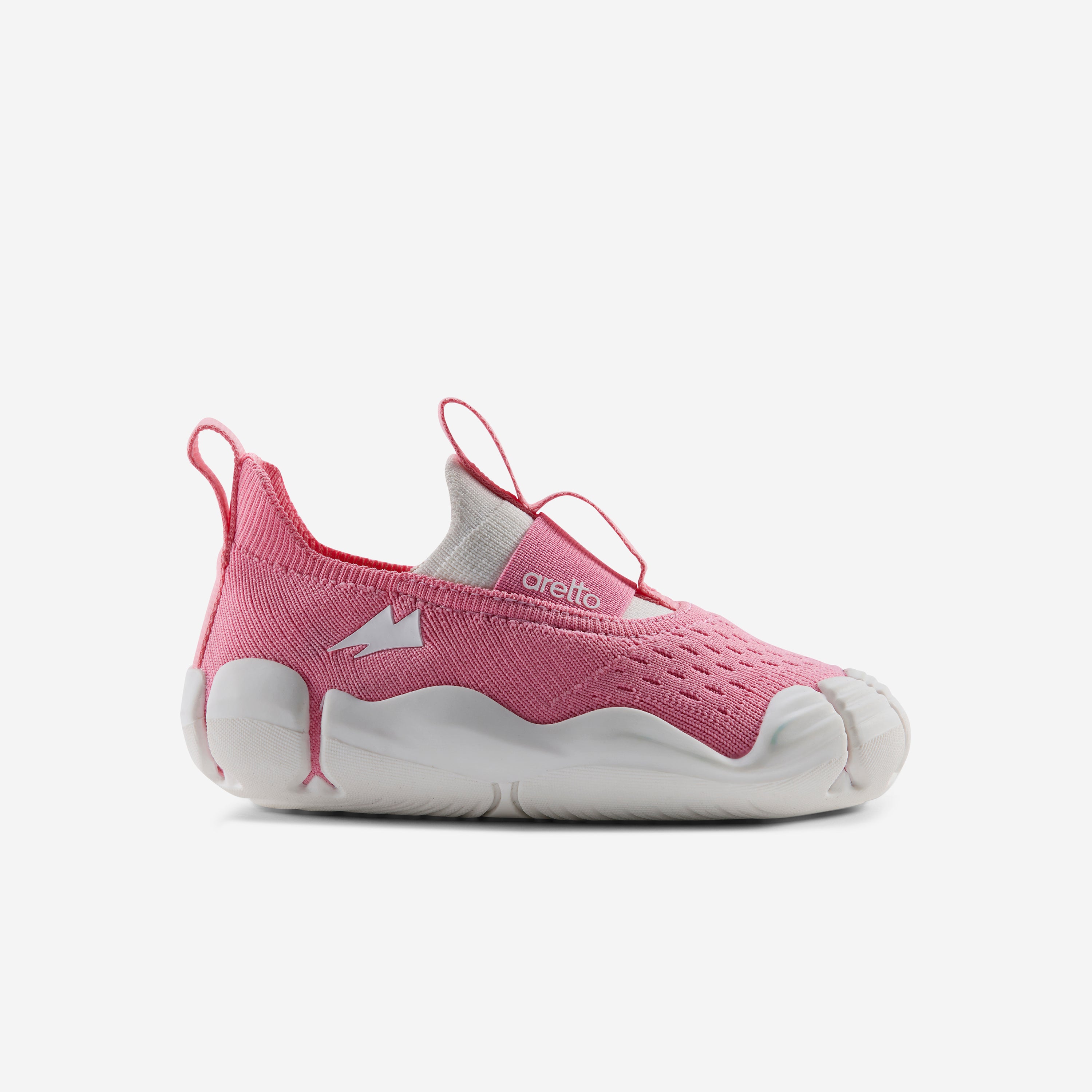


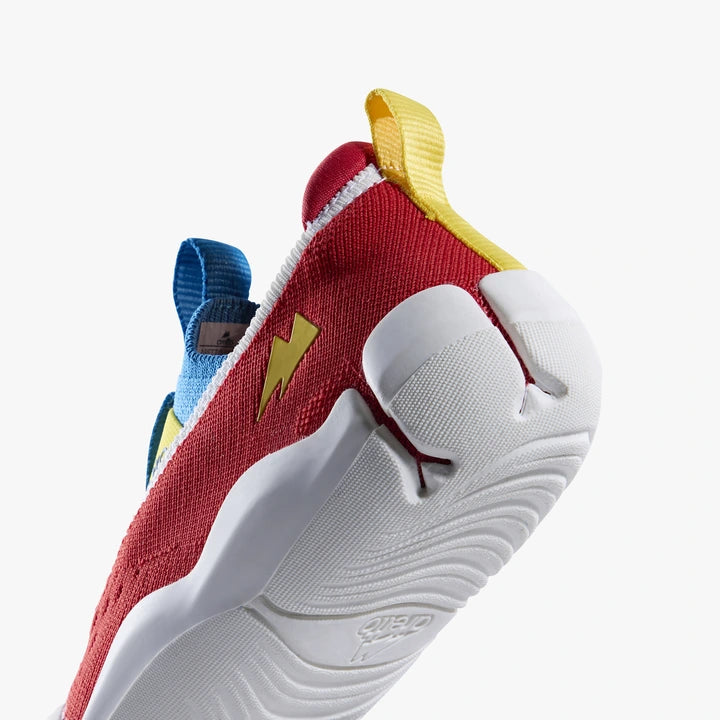
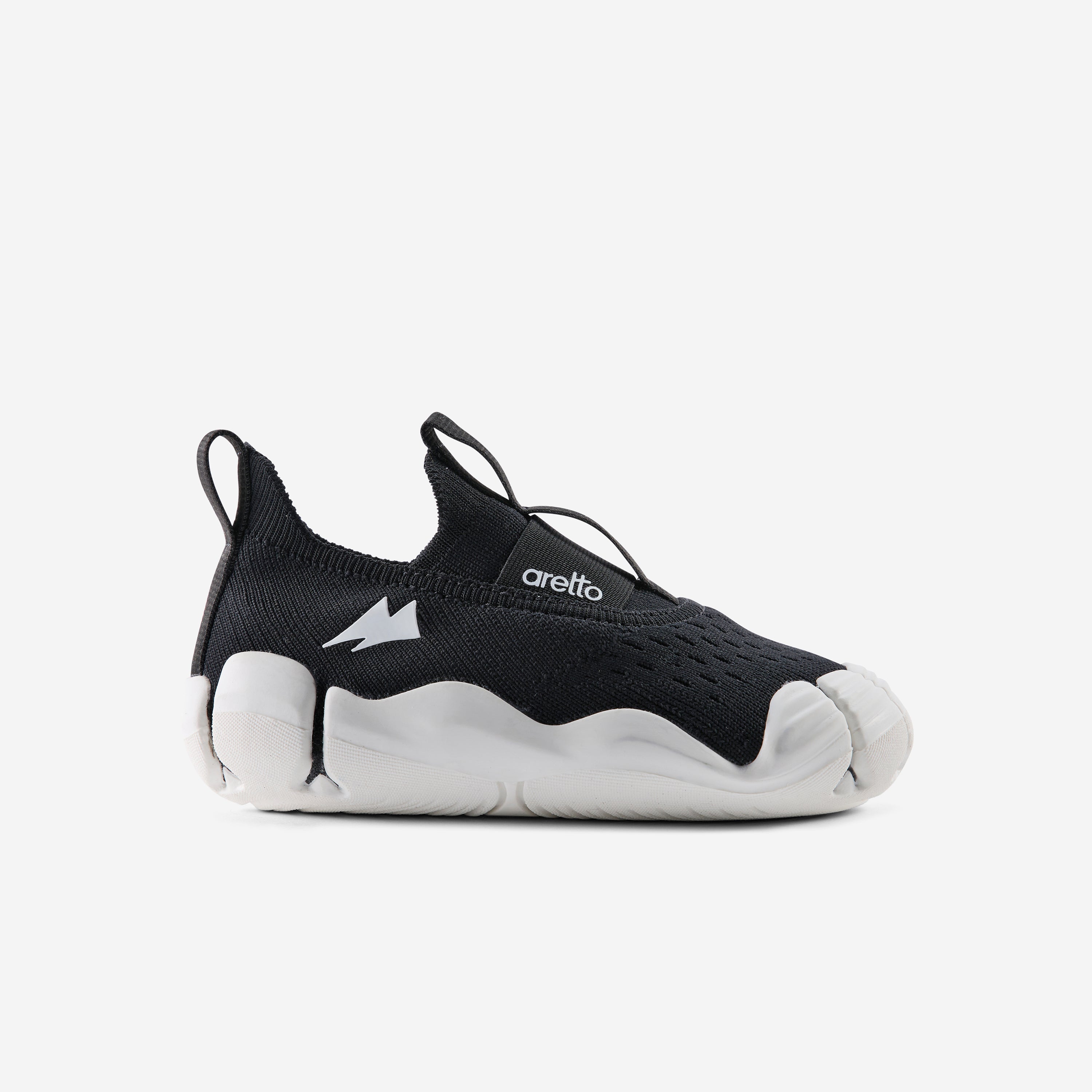
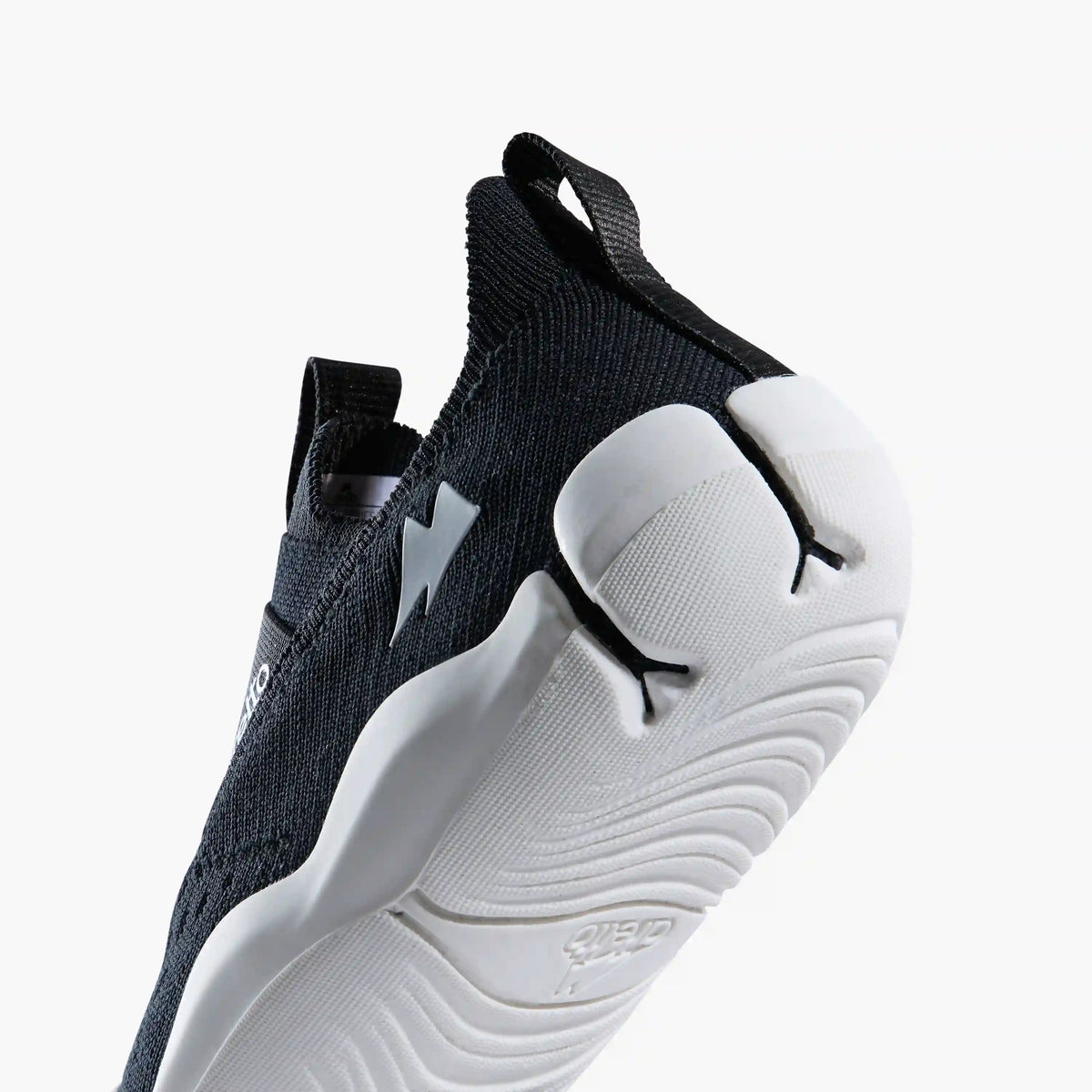
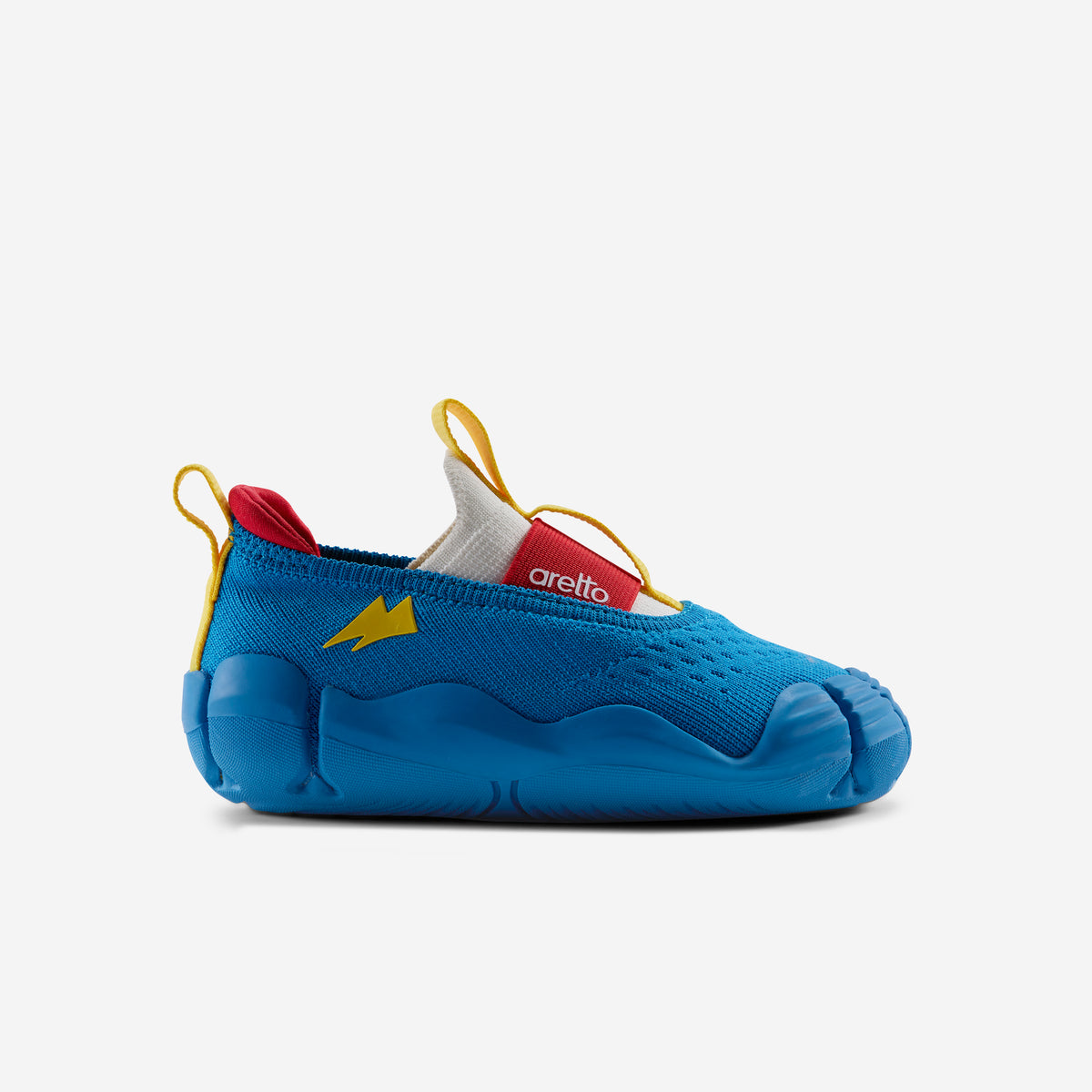
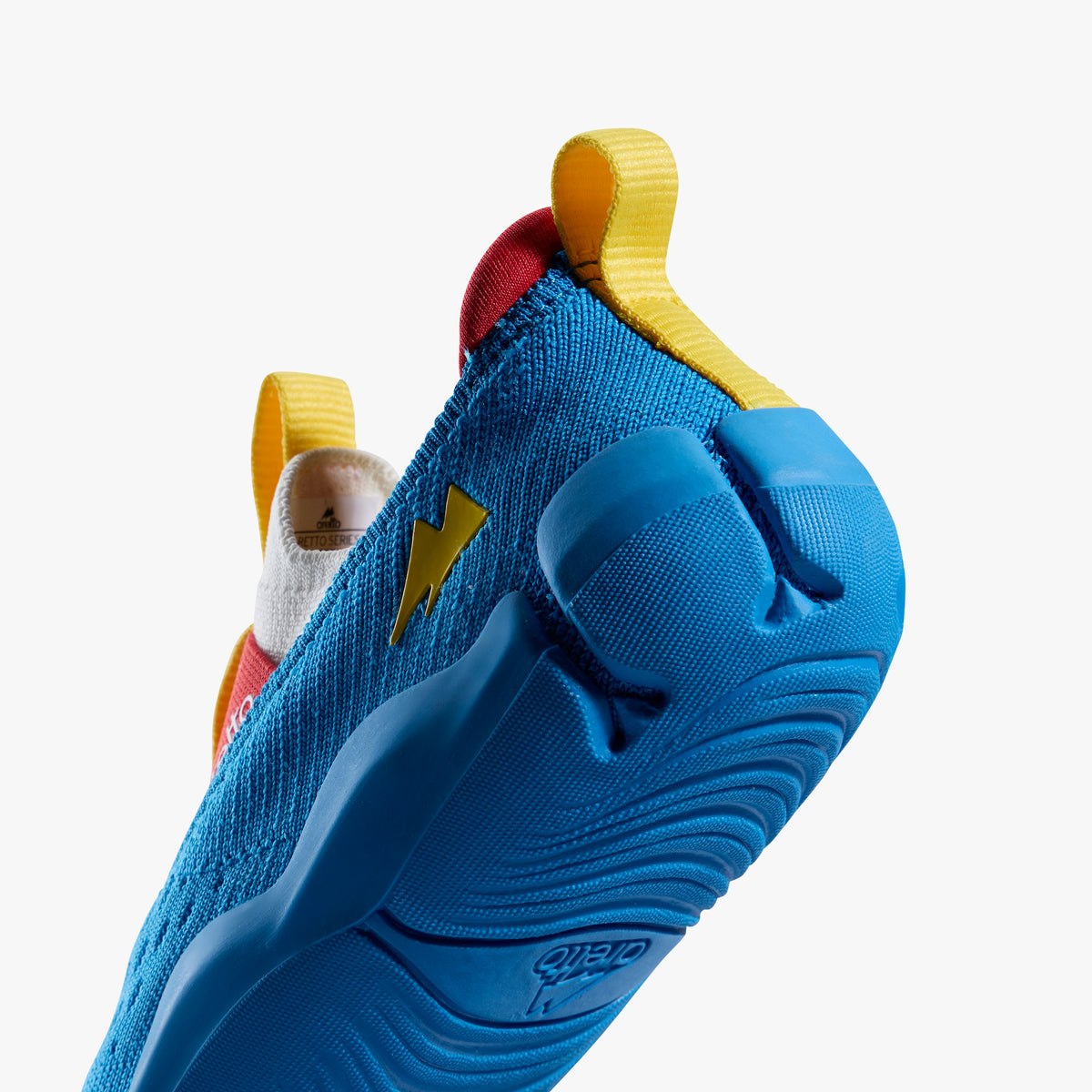

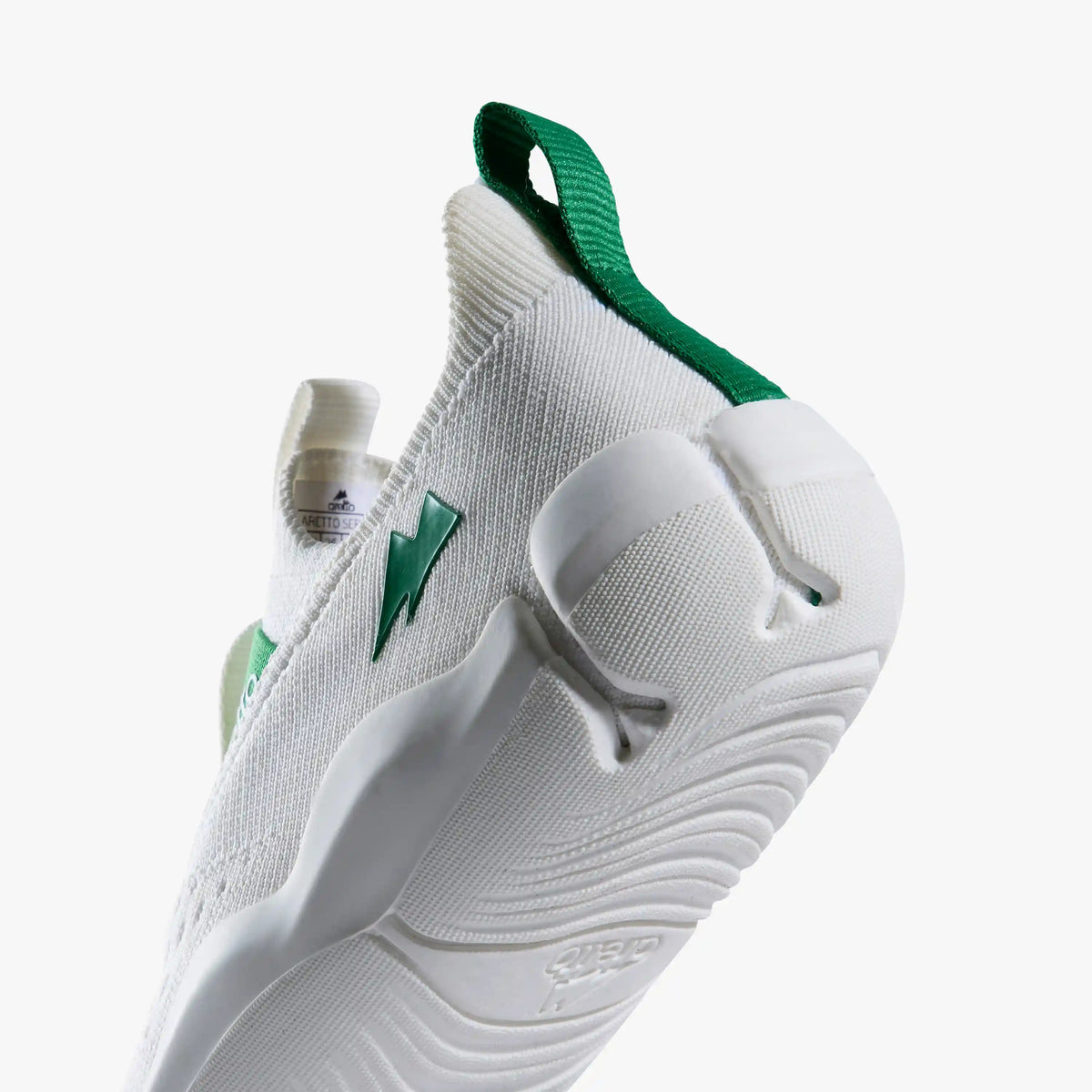
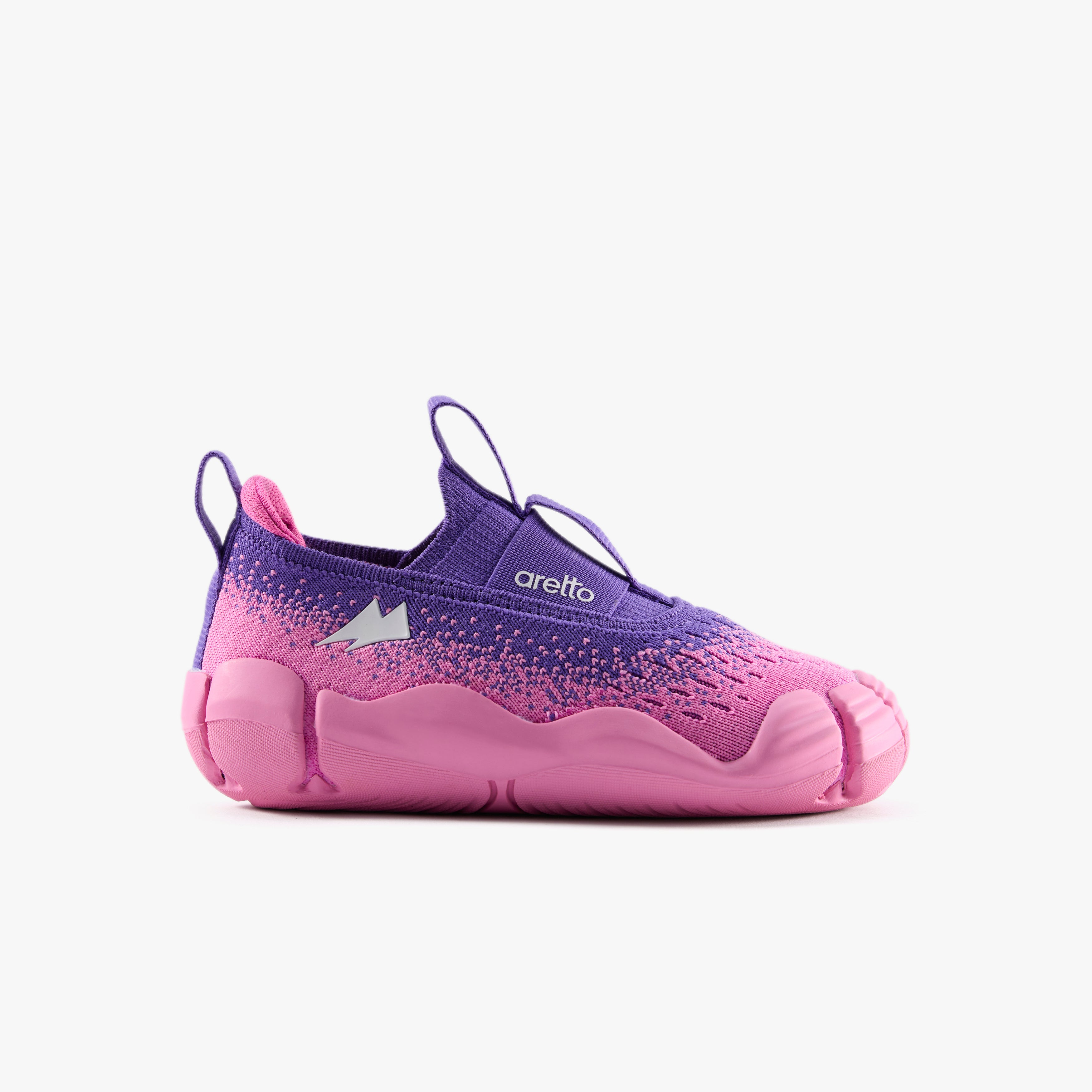
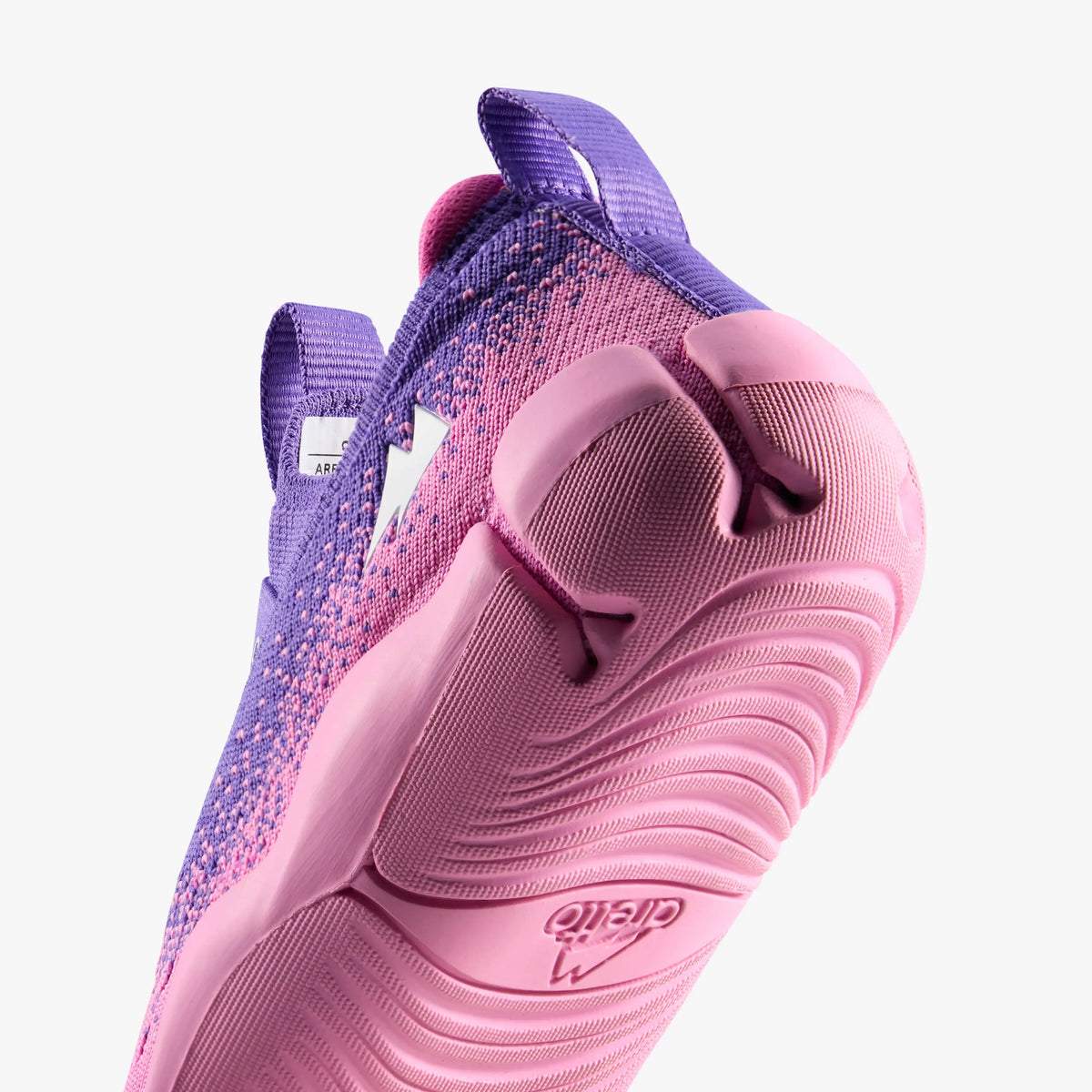
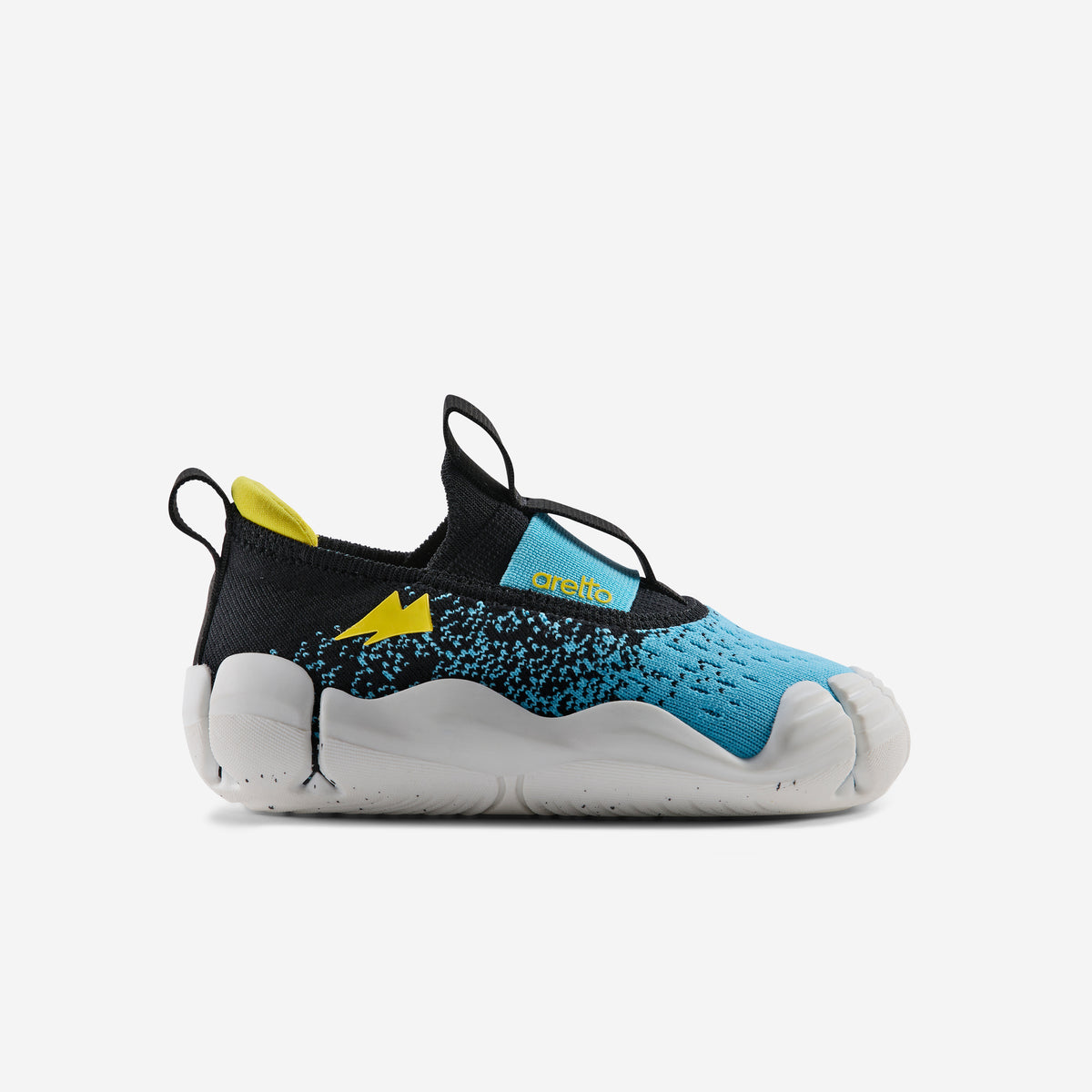
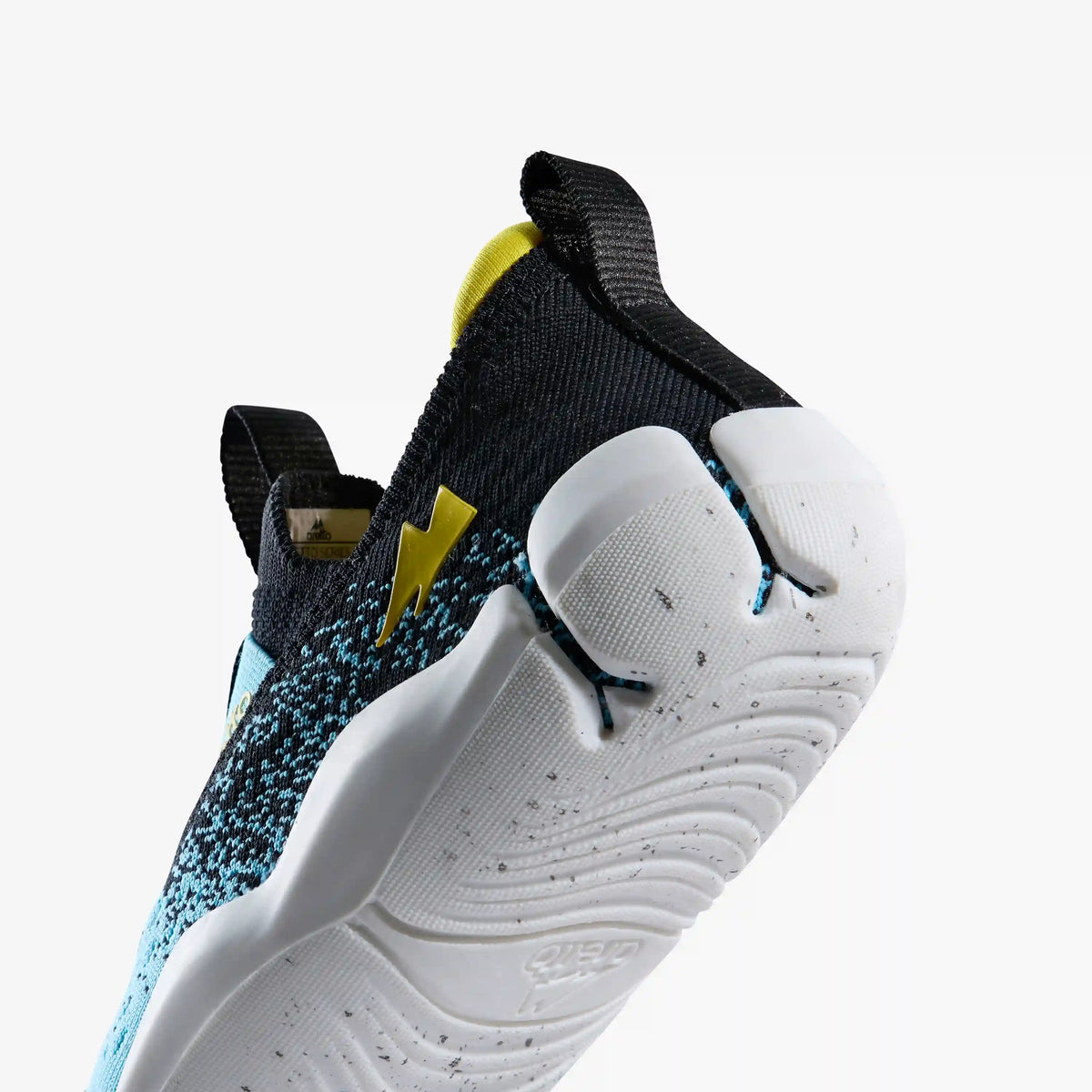


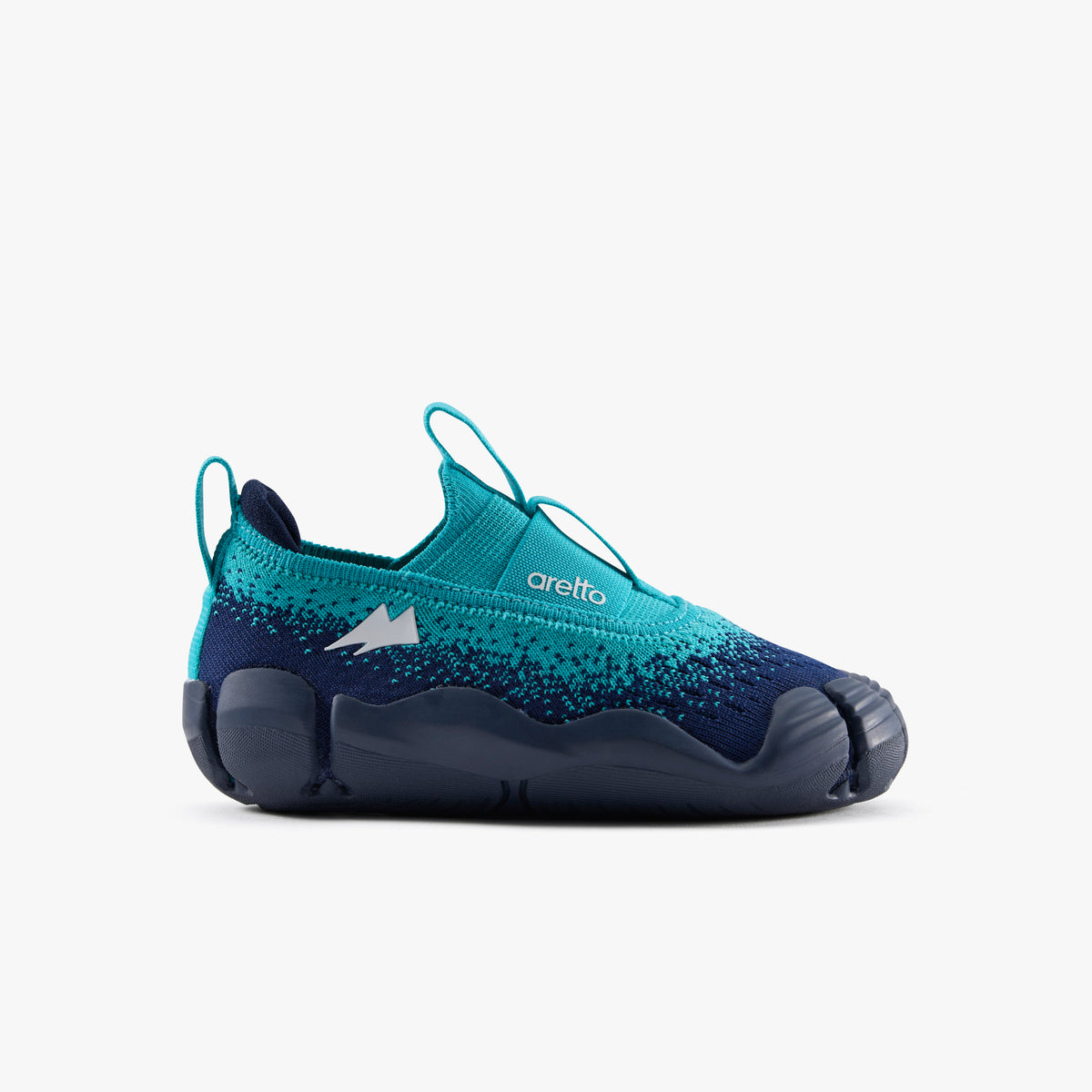
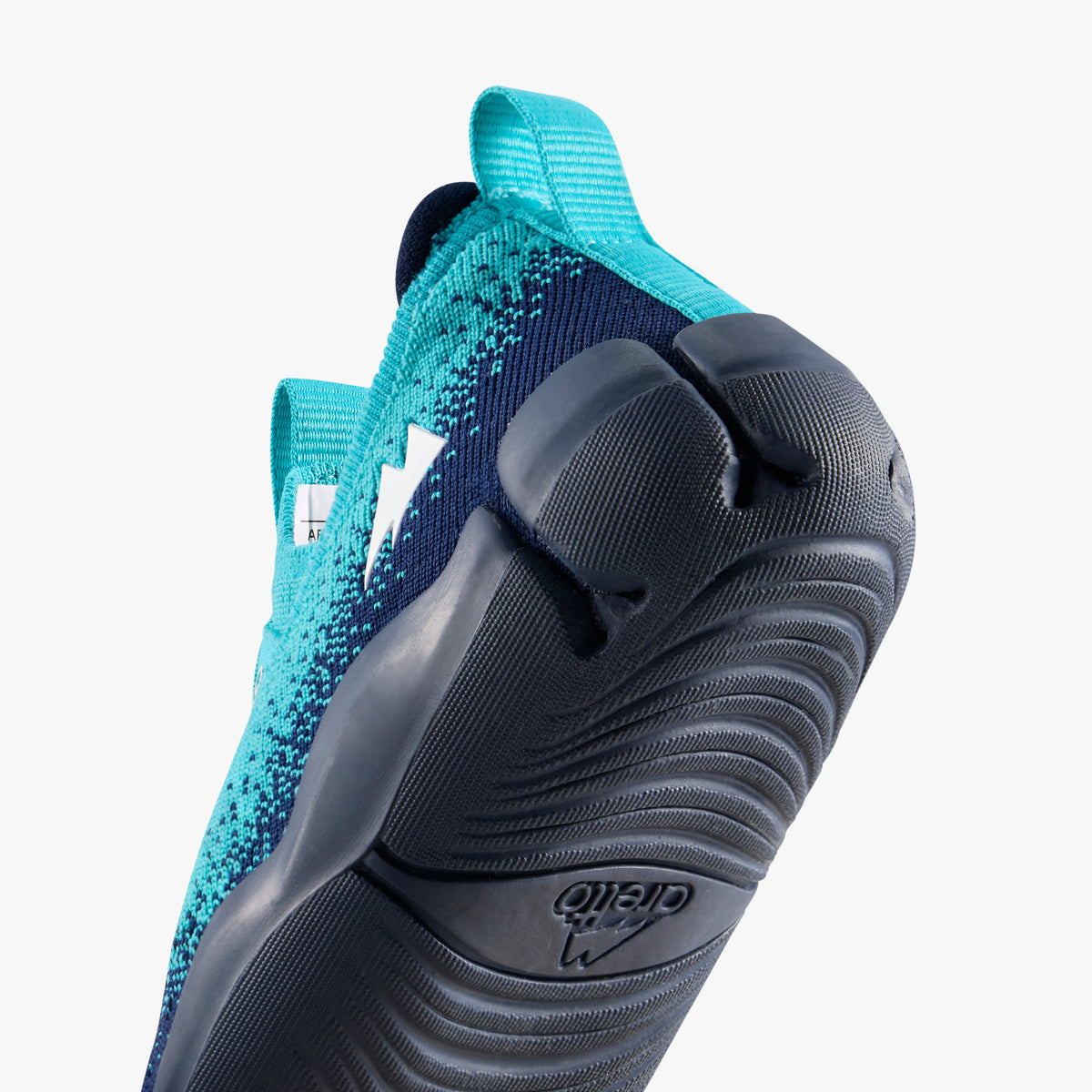
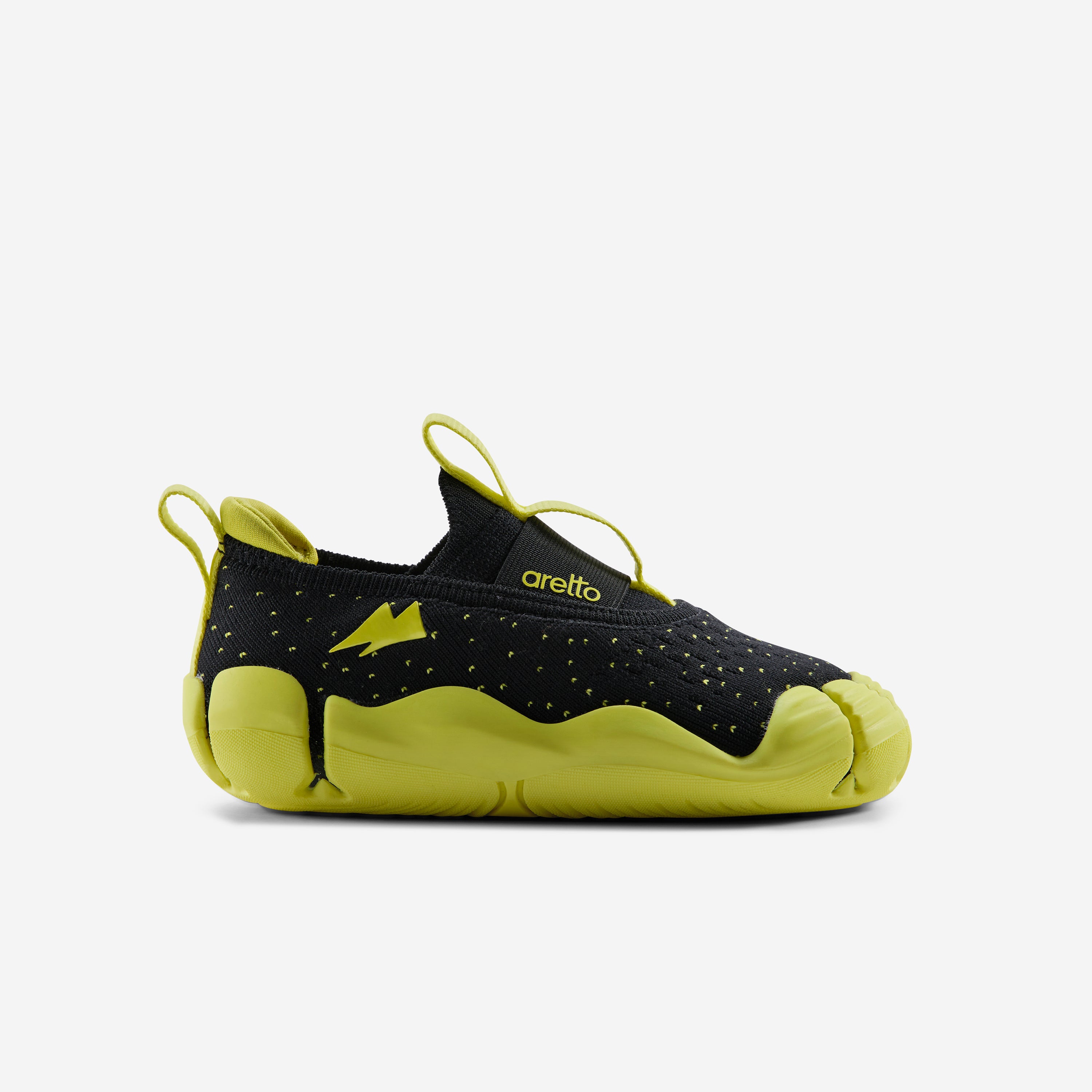
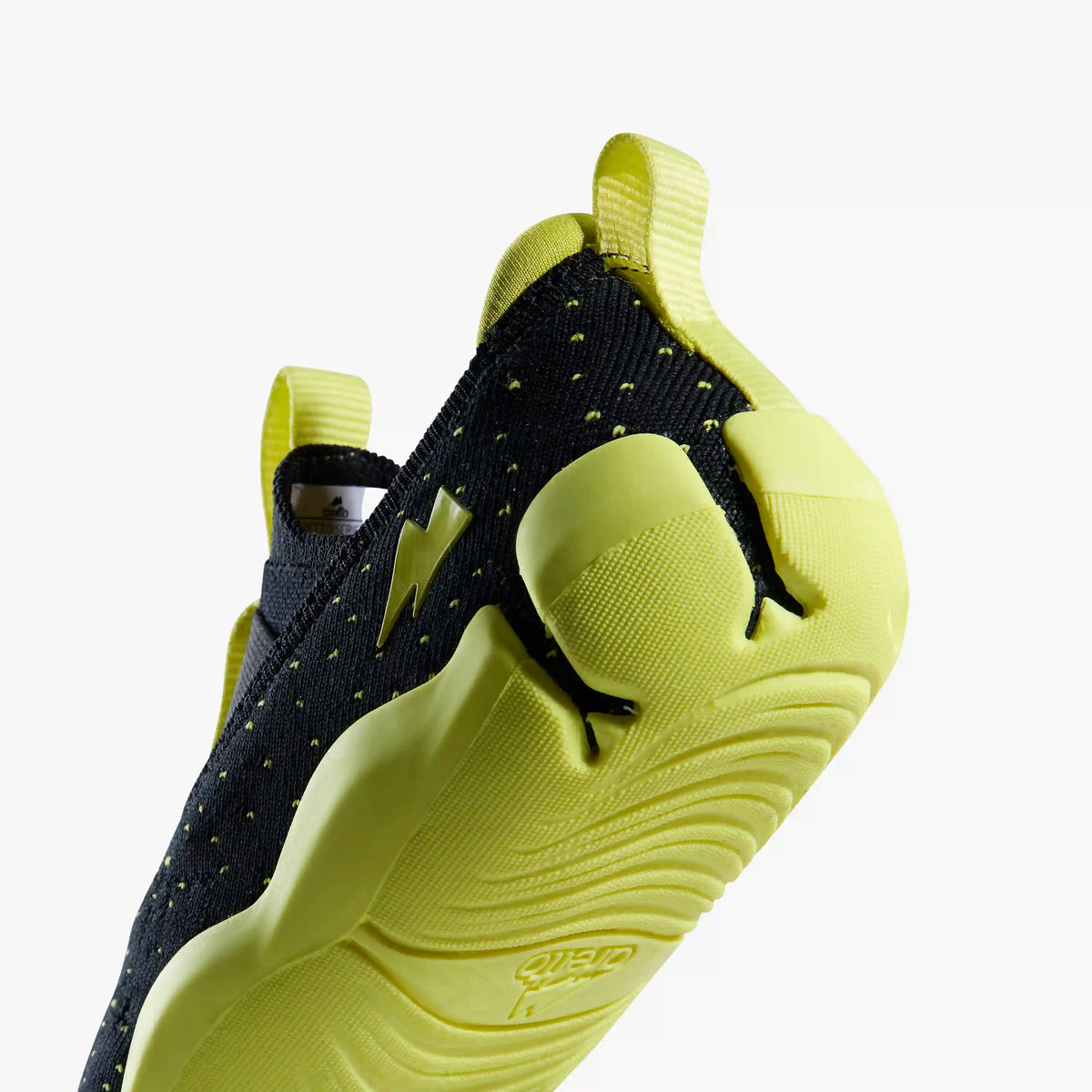
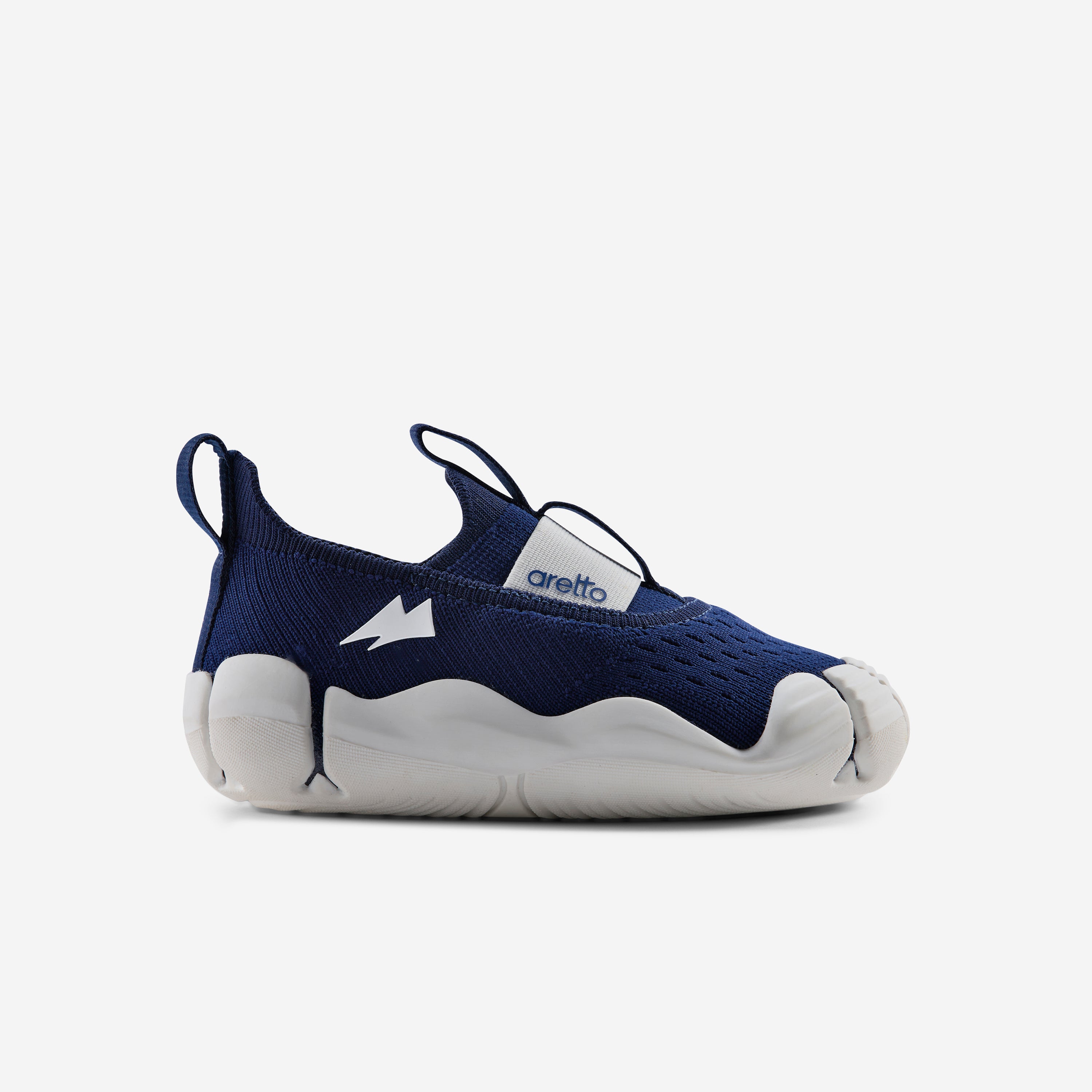
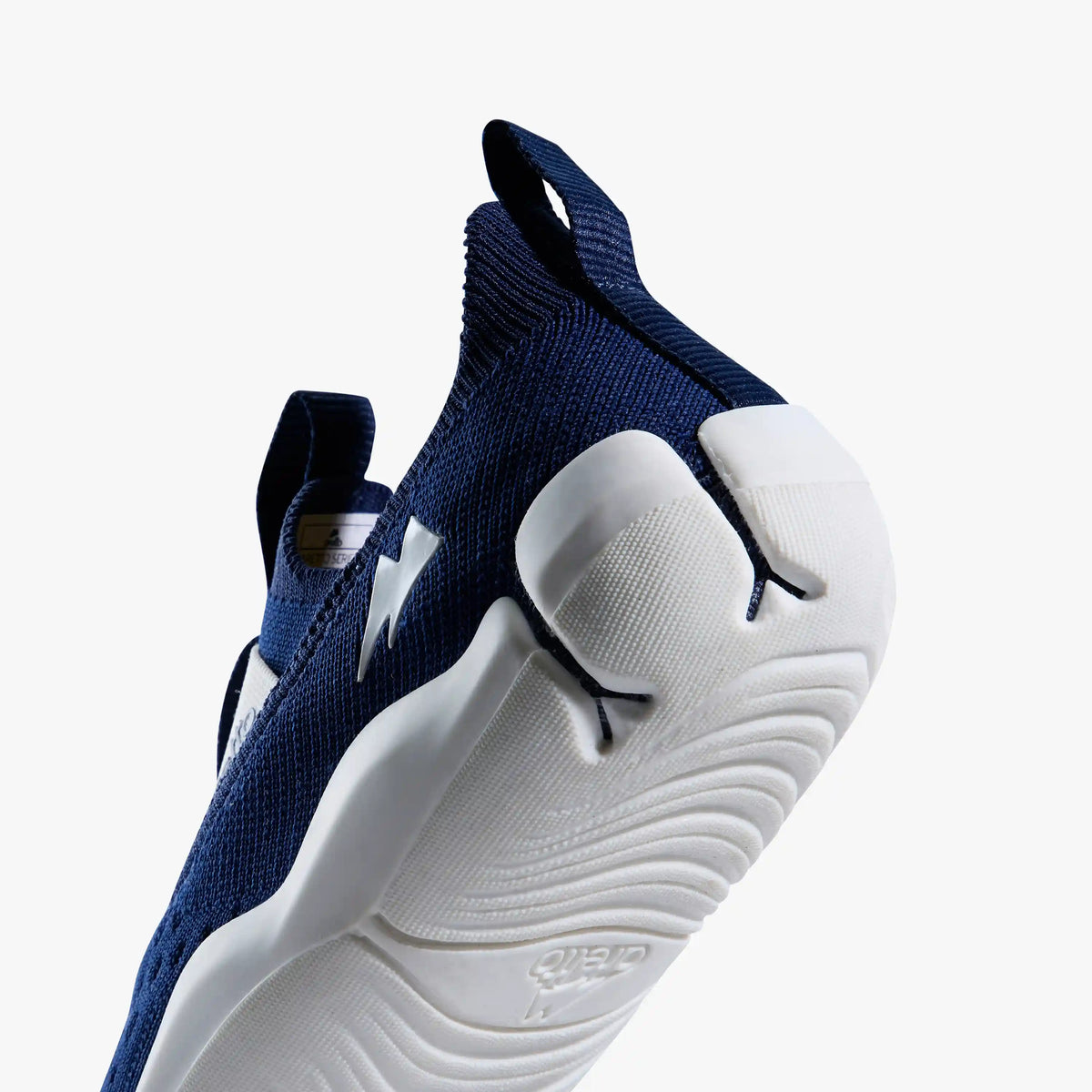
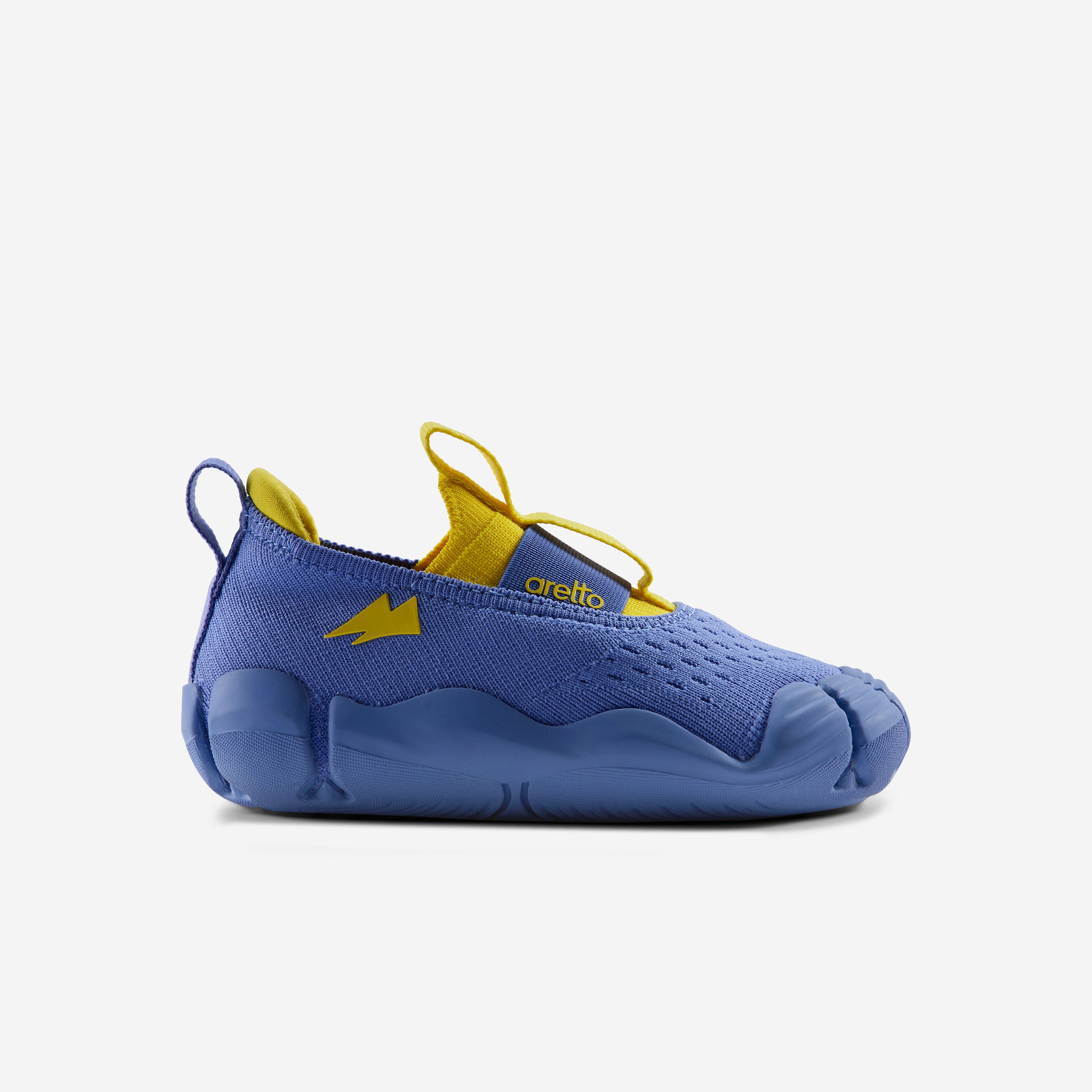
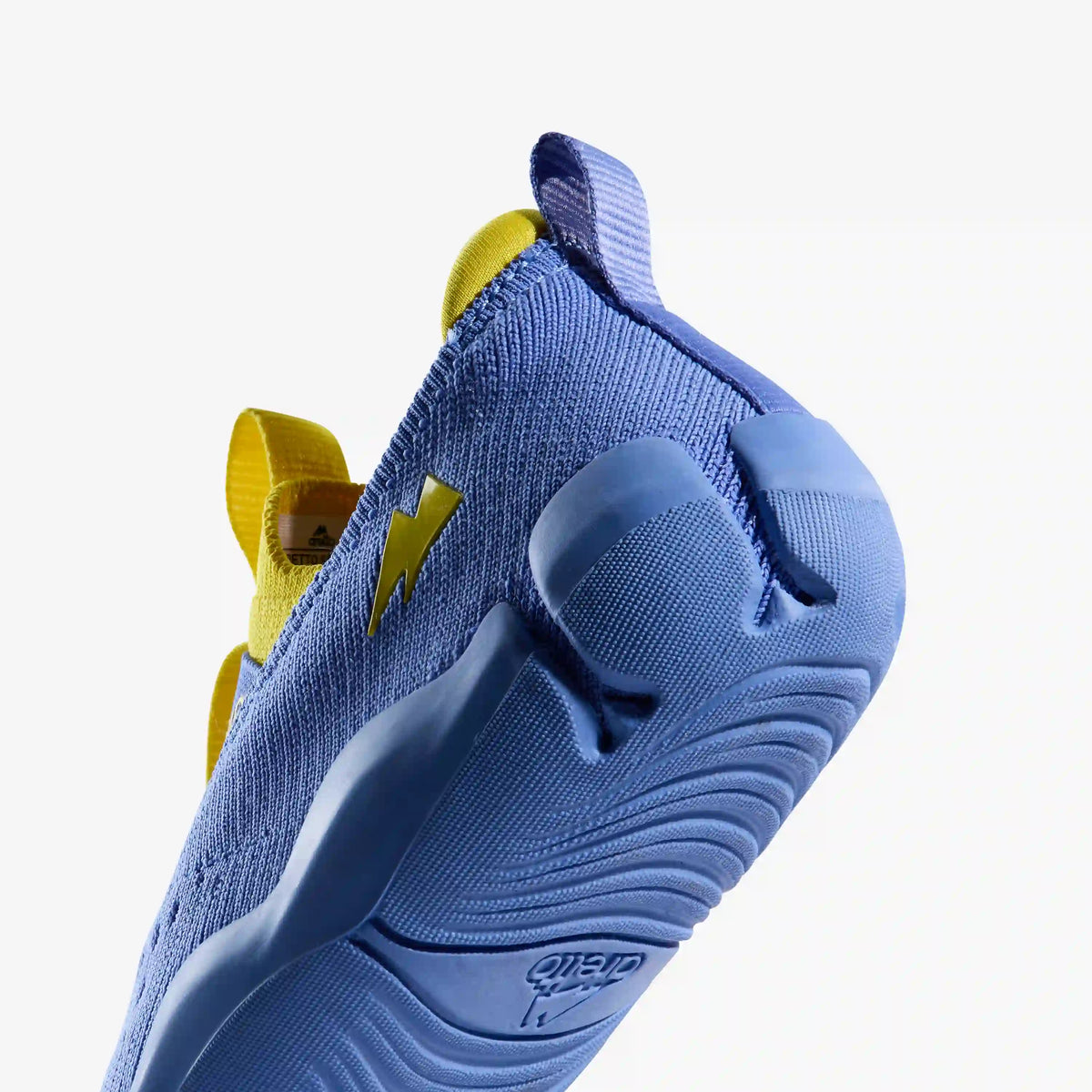
One Pair, Three Sizes, Every Toddler Stage
Toddler shoes in EU 20 to 28, for feet from 12.1 to 17.3 cm. Each pair fits across three EU sizes as the foot lengthens, so one shoe covers a stage instead of a season. Measure the longer foot, order that length, and add to cart.
Order on Foot Length, Not on Age
Buy toddler shoes online without guessing: measure first and the rest gets easier.
Stand your child against a wall on paper, mark the longest toe, and measure the gap in centimetres. Do it in the evening, when feet are at their largest, and use the longer foot.
| Aretto size | Age band | Foot length | EU | UK |
|---|---|---|---|---|
| S1 | 1 to 2 years | 12.1 to 13.4 cm | 20 to 22 | 4 to 5.5 |
| S2 | 2 to 3 years | 14 to 15.3 cm | 23 to 25 | 6 to 7.5 |
| S3 | 3 to 4 years | 16 to 17.3 cm | 26 to 28 | 8.5 to 10 |
The age column is a guide and the centimetre column is the answer. Two-year-olds routinely sit two sizes apart.
Between two Aretto sizes, take the larger one. The sole expands into the gap, and a tight shoe stays tight.
Convert your measurement on the kids shoe size chart and order that size.
Once the pair arrives, five checks tell you whether it fits.
| Check | What good looks like |
|---|---|
| Toe allowance | 10 to 12 mm between the longest toe and the front of the shoe |
| Width | The widest part of the foot inside the widest part of the shoe, with no bulge over the sole edge |
| Heel hold | No lift at the heel when they walk or climb |
| Sole flex | Bends easily at the ball of the foot, with no stiffness across the toes |
| Slip-on hold | Stays on when they run, without the opening needing to be tight |
Which Toddler Shoes to Buy for the Stage They Are At
Each band covers a different kind of walking, so order for what they are doing now.
| Size | What they are doing | What to prioritise when you buy |
|---|---|---|
| S1 | Just walking, falling often, still cruising indoors | The most flexible sole and the widest front |
| S2 | Running, stopping badly, changing direction | Grip, and a fit snug enough that a slip-on stays on |
| S3 | Climbing, jumping off things, kicking | Hard-wearing upper and a sole that takes impact |
Shoes for toddlers in S1 are doing a different job from S3. First walker shoes need to get out of the way; a three-year-old needs the shoe to survive a playground. Toddler walking shoes in the middle band sit between the two.
Under 12.1 cm they are still in the S0 band, in baby shoes. Over 17.3 cm they have moved into S4, the start of the older kids' sizes.
Every Pair Here Is Slip-On, On Purpose
This is the decision that shapes your mornings for the next two years, and it has been made for you.
Every toddler shoe here is a slip-on. No laces, no straps, nothing to fasten. Somewhere around two a toddler starts insisting on doing it alone, and a shoe they cannot manage turns a two-minute job into a ten-minute negotiation.
Laces are no use at this age and straps get pulled off and lost. A slip-on is the one closure a two-year-old gets right without help, which is why the whole range uses it. At nursery it is also the one the staff will thank you for.
The knit upper makes it work: it opens wide enough for a foot to go in at the wrong angle, which is how a toddler will always do it, and holds without being tight. The same applies whether you shop toddler boy shoes or shop toddler girl shoes.
Same Shoe, Their Choice of Colour
Toddler boy shoes and toddler girl shoes here share the sole, the last, the upper and the size bands. The colourway is the only difference.
There is no anatomical reason to separate them at this age, so the useful question is not which side of the store to shop but who is choosing.
By two or three most children have opinions about shoes, and a pair they picked goes on without an argument. Let them choose the colour inside the size you measured.
If the shade they want sits in shoes for boys, order it from there. The fit is identical.
And the same applies the other way: the colourways in shoes for girls fit exactly the same feet.
What You Get for the Price
Four things that matter on a shoe a toddler is actively trying to destroy.
The sole expands. Supergrooves is a patented sole with an inverted Y-groove pattern that widens and lengthens, covering three consecutive EU sizes in one pair.
The upper is knitted. Infiknit™ is a 2.5 mm 3D-knit in a polyester and spandex blend that stretches in every direction, so nothing rubs as the foot widens. The breathable knit also dries faster after a wash than a stitched synthetic upper.
The insole is cushioned. SquishyFoam is a 6 mm high-density insole that compresses under each step and springs back.
The sole is level with a wide front. No raised heel, and enough width that toes stay spread when they push off.
The reason for that shape is the barefoot foot. Research in Frontiers in Pediatrics study comparing children who grew up barefoot with those who grew up shod reported differences in gait, balance and jumping, and that habitually barefoot people tended to have wider feet. So the design principle is to stay out of the way: a flat sole and a wide front, not a shoe that reshapes the foot inside it.
If that is the fit you want specifically, the kids barefoot shoes collection is built around it.
When to Order the Next Size Up
Check the measurement every two to three months, and do not wait to be told.
A toddler will not say a shoe has gone tight. They stop running in it, take it off in the car, or start refusing it in the morning, and any of those is worth measuring for. Look for red marks across the top of the foot, or toes curling rather than lying flat when the shoe comes off.
Because each pair covers three EU sizes, most toddlers get a full band out of one shoe rather than a new pair each time they grow a size.
What Happens After You Order
Prepaid orders ship free, and cash on delivery adds ₹50 on carts up to ₹10,000. Orders usually arrive within 5 business days, or 5 to 10 days outside the metros.
A size exchange can be requested within 10 days of delivery, with free pick-up in most locations. Keep the original packaging ready: the shoe box, the foot scale, the shoe tag, and the butter paper. Exchanges are valid once per order, and only size exchanges are accepted.
Returns also run to 10 days. Every pair carries a one-year warranty covering sole pasting and stitching defects, though not ordinary wear.
Full terms sit on the shipping and refund policy.
Measure, Then Let Them Pick
Take the longer foot in centimetres and read the band off the table above.
Take the larger size if the measurement sits between two, then hand over the colour choice and order it.
The shoe you order is the one that fits. The one they wear every day is the one they chose.
Frequently asked questions
Shop Kids’ Shoes by Collection
Kids School Shoes | Toddler Shoes | Boys Shoes | Girls Shoes | Kids Sports Shoes | Boys Running Shoes | Girls Running Shoes | Boys Sneakers | Girls Sneakers | Boys Casual Shoes | Girls Casual Shoes | Kids Barefoot Shoes | Baby Shoes | Infant Shoes | Newborn Baby Shoes | Newborn Baby Gifts